Fill Valve Toilet Won’t Stop Running – Causes, Fixes & Toilet Repair
If your toilet fill valve won’t stop running, there is usually a problem preventing the cistern from reaching the correct water level or stopping the incoming water supply. A continuously running toilet can waste water and may indicate a faulty fill valve, float, flush valve or internal cistern component.
Some problems can be resolved with a simple adjustment, while damaged or worn components may need replacement.
Through FraserBond.com, homeowners, landlords and property managers can explore toilet repair, plumbing and property maintenance services.
Why Won’t My Toilet Fill Valve Stop Running?
Common causes include:
- Faulty fill valve
- Sticking or incorrectly adjusted float
- Fill valve failing to shut off
- Water level set too high
- Worn valve components
- Debris inside the fill valve
- Water escaping through the flush valve
- Damaged toilet cistern components
The first step is determining whether the problem is actually the fill valve or whether water is continually escaping elsewhere in the cistern.
How a Toilet Fill Valve Works
The fill valve controls water entering the toilet cistern.
A simplified cycle is:
Flush Toilet → Cistern Empties → Fill Valve Opens → Water Level Rises → Float Rises → Fill Valve Closes
If the valve does not close when the correct water level is reached, water can continue flowing.
Check the Toilet Float
A problem with the toilet float is one of the first things to investigate.
Check whether the float:
- Moves freely
- Is catching against another component
- Is damaged
- Has been incorrectly adjusted
- Reaches the position required to close the valve
If gently lifting the float causes the water to stop, the problem may involve the float adjustment or fill-valve mechanism.
Toilet Water Level Too High
If the fill valve is set too high, water may continue entering the cistern until it reaches the overflow.
The water level may need adjustment according to the design of the fill valve.
The correct method varies between valve models, so avoid forcing adjustment mechanisms that are not designed to move manually.
Fill Valve Won’t Shut Off
If the float reaches the correct position but water continues entering, the fill valve itself may be defective.
Possible problems include:
- Worn internal seals
- Damaged diaphragm
- Internal debris
- Sticking mechanism
- General wear
Depending on the valve, cleaning or replacing an internal component may be possible. In other cases, replacing the complete fill valve can be more practical.
Toilet Keeps Running Into the Bowl
A continuously running toilet is not always caused by the fill valve.
If water is leaking from the cistern into the toilet bowl, the water level drops and the fill valve repeatedly opens to replace it.
The actual problem may therefore be the:
- Flush valve
- Flapper on applicable toilet designs
- Flush-valve seal
- Dual-flush mechanism
- Overflow arrangement
In this situation, replacing the fill valve alone may not solve the problem.
How to Tell Where the Problem Is
Remove the cistern lid carefully, where the design allows, and observe what happens.
If water keeps entering even when the float is fully raised, suspect the fill valve.
If the fill valve stops but later starts again because the cistern level gradually falls, suspect water is escaping through the flush mechanism.
If water continuously runs into an overflow, check the fill level and valve operation.
Toilet Fill Valve Making a Hissing Noise
A constant hissing sound from the toilet can indicate water continuing to pass through the fill valve.
Possible causes include:
- Valve not fully closing
- Worn internal components
- Debris
- Incorrect float adjustment
- Water escaping elsewhere and causing continuous refilling
A plumber can determine whether adjustment, cleaning or replacement is appropriate.
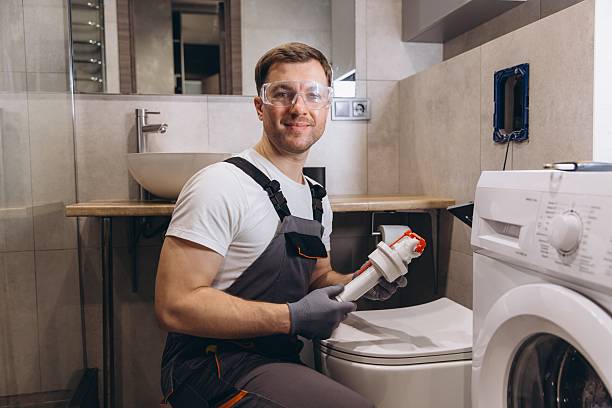
Replacing a Toilet Fill Valve
Where the existing valve has failed, replacement may provide a straightforward solution.
A typical repair involves:
Isolate Water → Drain Cistern → Remove Old Fill Valve → Install Replacement → Reconnect → Adjust Water Level → Test
The replacement valve needs to be compatible with the cistern and existing water connection.
If you are not comfortable isolating and reconnecting plumbing components, use a plumber.
Toilet Fill Valve Replacement Cost
The cost of replacing a toilet fill valve depends on:
- Type of toilet
- Replacement valve
- Accessibility
- Labour
- Whether other components need repair
- Property location
- Standard or emergency attendance
Ask whether the quoted price includes the replacement part, labour and testing.
Running Toilet After Replacing the Fill Valve
If the toilet continues running after a new fill valve has been installed, check whether the actual problem is elsewhere.
Potential causes include:
- Incorrect water-level adjustment
- Flush-valve leak
- Incorrect installation
- Overflow problem
- Faulty flush seal
- Another damaged cistern component
The complete fill-and-flush cycle should be tested after any repair.
Running Toilet Repair for Landlords
A constantly running toilet should not be ignored in a rental property because it can waste significant amounts of water and may eventually develop into a more disruptive plumbing problem.
Plumbing services can assist with:
- Fill valve replacement
- Flush valve repairs
- Toilet leaks
- Cistern repairs
- Overflow problems
- Blocked toilets
- Complete toilet replacement
Through FraserBond.com, landlords and property managers can explore toilet repairs and wider plumbing services.
When Should You Call a Plumber?
Consider professional assistance when:
- The fill valve will not shut off
- Water is overflowing
- The isolation valve does not work
- The toilet continually runs into the bowl
- New components have not solved the problem
- The cistern is difficult to access
- There is water leaking outside the toilet
- You are unsure which component has failed
If water is escaping from the toilet onto the floor, isolate the water supply where it is safe to do so and arrange repair promptly.
How Fraser Bond Can Help
Through FraserBond.com, homeowners, landlords and property managers can explore services relating to:
- Toilet fill valve repair
- Running toilet repair
- Toilet cistern repairs
- Flush valve replacement
- Emergency plumbing
- Toilet installation
- Bathroom plumbing
- Property maintenance
Toilet Fill Valve Still Running?
If your toilet fill valve won't stop running, start by checking whether the float moves freely and whether the valve shuts when the float is raised.
If the valve continues allowing water through, it may require repair or replacement. If the valve shuts normally but the toilet starts filling again, investigate the flush valve for an internal leak.
Visit FraserBond.com to explore toilet repair and plumbing services.