Toilet Not Flushing All the Way - Causes, Fixes and Plumbing Advice
A toilet not flushing all the way is a common plumbing problem that can range from a minor cistern fault to a developing drain blockage. The toilet may flush weakly, leave toilet paper behind, require two flushes or allow the water to rise before slowly draining away.
The symptoms can help identify the likely cause. A weak flush often points towards the cistern or flushing mechanism, while water rising unusually high or gurgling can indicate a partial blockage in the toilet or drainage pipe. WaterSafe notes that partial drain blockages can restrict water flow and cause toilet gurgling or bubbling. WaterSafe
For homeowners, tenants and landlords, identifying the problem early can prevent an inconvenient toilet fault from becoming a completely blocked drain.
Why Is My Toilet Not Flushing All the Way?
A toilet needs enough water, an effective flushing mechanism and an unrestricted waste pipe to flush properly.
If any part of that process is compromised, the toilet may only partially clear the bowl.
Common causes include:
- Low water level in the cistern
- Faulty flush valve or mechanism
- Incorrectly adjusted cistern components
- Partial toilet blockage
- Excessive toilet paper
- Wipes or foreign objects in the waste pipe
- Restricted drainage further along the system
- A blocked plumbing vent
- Problems with the main drainage or sewer line
- Mineral or scale deposits affecting older toilets
The behaviour of the water during and after flushing can provide useful clues.
Toilet Has a Weak Flush
If the water leaves the bowl normally but there is simply not enough force to clear everything, inspect the flushing mechanism and cistern.
The cistern needs to contain an appropriate amount of water before each flush. If it does not fill sufficiently, the toilet may release too little water into the bowl.
WaterSafe advises checking the cistern water level when diagnosing toilet problems and notes that a float set too low can prevent the cistern from filling properly. WaterSafe
A faulty flush mechanism can produce similar symptoms.
If pressing the button or handle only releases part of the cistern's water, the mechanism may need adjustment or replacement.
Toilet Water Rises Before Going Down
A toilet that fills with water before slowly draining requires different attention.
This behaviour frequently indicates that water cannot move through the waste pipe quickly enough.
A partially blocked toilet may still allow wastewater through, but only slowly. As a result, the bowl initially fills before the water level gradually falls.
Avoid repeatedly flushing the toilet to test it. If the obstruction becomes complete, another flush could cause wastewater to overflow onto the bathroom floor.
A suitable toilet plunger can sometimes clear a straightforward local obstruction.
Toilet Not Flushing Toilet Paper Away
If water leaves the bowl but toilet paper remains behind, there may not be enough flushing force.
Check whether the cistern is filling normally between flushes.
If the flush appears noticeably weaker than it used to be, the internal mechanism may require attention.
Using excessive amounts of toilet paper can also overwhelm a toilet temporarily, particularly where the drainage system already has a partial restriction.
Regularly needing two or three flushes should not simply be accepted as normal. The toilet or drainage system should be investigated.
Toilet Flushes but Waste Comes Back
Waste returning to the bowl after flushing can indicate that the toilet has not cleared the waste pipe properly.
A partial obstruction may allow water through while preventing solids and paper from travelling normally.
If plunging temporarily improves the situation but the problem soon returns, the obstruction may be deeper within the drainage system.
Recurring blockages can also be associated with defects such as damaged underground pipes or root intrusion, depending on where the problem is located.
Professional drain cleaning or CCTV inspection may then be appropriate.
Toilet Not Flushing but Not Blocked
Sometimes there appears to be no blockage at all.
The problem may instead be inside the cistern.
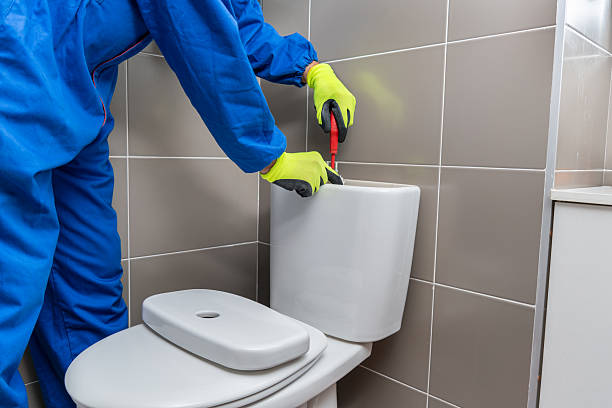
Remove the cistern lid only where it can be done safely and without damaging concealed or fitted components. Observe what happens when the toilet is flushed.
Does the cistern contain enough water? Does the flush mechanism open fully? Does it immediately refill to the correct level?
WaterSafe identifies flush valves and fill valves as common sources of toilet cistern problems. WaterSafe
A plumber can replace faulty internal components where adjustment does not resolve the problem.
Toilet Cistern Not Filling Enough
If the cistern does not refill properly, the next flush will naturally be weak.
Possible causes include a poorly adjusted float or fill valve, a faulty inlet valve or an issue with the water supply to the toilet.
Allow the cistern to refill completely and check whether the next flush improves.
If every flush is weak regardless of how long the toilet has been left, the problem is more likely to require adjustment or repair.
Do not force or excessively adjust unfamiliar cistern components, particularly with concealed toilet systems where access can be more complicated.
Toilet Flush Button Not Working Properly
Modern toilets frequently use push-button flushing systems.
If the button feels loose, requires excessive pressure or only works intermittently, there may be a problem with the connection between the button and flushing mechanism.
Dual-flush mechanisms can also develop faults that affect the amount of water released.
The exact repair depends on the toilet design.
Some internal components can be replaced relatively easily, while concealed cisterns may require more specialist access.
Toilet Gurgles When Flushing
A gurgling toilet can indicate that air is struggling to move normally through the drainage system.
WaterSafe identifies a partial drain blockage as one common cause. It also notes that blocked vent pipes and deeper sewer-line obstructions can cause similar symptoms. WaterSafe
Pay attention to other fixtures.
If the toilet gurgles while a sink, shower or bath is also draining slowly, the problem may extend beyond the toilet itself.
A drainage contractor may need to investigate if several fixtures are affected.
Several Toilets Are Not Flushing Properly
When only one toilet is affected, a localised fault is more likely.
When several toilets suddenly begin flushing poorly, the probability of a wider drainage problem increases.
Check whether sinks, showers and baths are also draining slowly.
Multiple fixtures backing up or gurgling can indicate a restriction further along the drainage system. WaterSafe warns that a main sewer-line blockage can affect multiple drains and potentially result in sewage backing up. WaterSafe
Reduce water use if wastewater is already beginning to back up and arrange appropriate investigation.
Can You Fix a Toilet That Does Not Flush Fully?
Some straightforward problems can be resolved without major plumbing work.
A toilet plunger may clear a simple local blockage, while an incorrectly adjusted cistern component may sometimes be corrected relatively easily.
However, avoid repeatedly flushing a toilet that is close to overflowing.
Chemical drain cleaners should also not be treated as a universal solution for toilet problems. They may be ineffective against solid objects or structural drainage defects and can introduce additional hazards when inappropriate products are mixed.
If the cause is unclear or the problem keeps returning, professional diagnosis is usually more useful than repeatedly attempting temporary fixes.
When Does a Plumber Need to Repair the Toilet?
A plumber is generally the appropriate professional when the problem involves the cistern, flush valve, fill valve, water connection or toilet itself.
Professional assistance should be considered when the toilet consistently requires multiple flushes, the cistern does not fill correctly, internal components are damaged or water is continuously leaking into the bowl.
A constant trickle should not be ignored. WaterSafe warns that faulty flush or fill valves can cause continuous leakage from the cistern into the toilet pan. WaterSafe
When Do You Need a Drainage Contractor?
A drainage contractor may be more appropriate when the toilet itself appears to operate correctly but wastewater cannot leave the property normally.
This becomes particularly relevant when several toilets or drains are affected.
Specialist drainage contractors can use equipment to clear deeper obstructions and, where necessary, inspect underground pipes with CCTV cameras.
If a blockage repeatedly returns after clearance, CCTV inspection can help determine whether damaged pipework, roots or another underlying defect is responsible.
Toilet Not Flushing Properly in a Rental Property
A poorly flushing toilet should be reported before it becomes completely unusable.
Tenants can help by describing exactly what happens when the toilet is flushed. For example, stating that "the water rises and takes two minutes to go down" provides more useful information than simply reporting that the toilet is broken.
Landlords should investigate recurring problems rather than continually relying on temporary clearance.
It is also useful to establish whether the problem involves misuse, an internal toilet component or a defect within the property's drainage system before deciding what remedial work is required.
Fraser Bond supports landlords through lettings, compliance guidance and property advisory services, helping property owners approach maintenance as part of wider rental-property management.
Toilet Problems in Flats and Apartment Buildings
Drainage problems can become more complicated in apartment buildings because several properties may share soil stacks and underground drainage.
If neighbouring flats experience similar toilet problems, communal pipework may need investigation.
Tenants and leaseholders should notify the appropriate landlord, freeholder or managing agent where shared infrastructure could be responsible.
A toilet fault confined to one apartment may still be local, but simultaneous problems across several properties can point towards a shared drainage issue.
Toilet Not Flushing in an Older Property
Older toilets and drainage systems can develop problems for several reasons.
Cistern components deteriorate, while drainage pipes may accumulate deposits or suffer structural defects over time.
Older properties may also have undergone numerous bathroom alterations, extensions and plumbing modifications.
For landlords and investors purchasing period properties, recurring toilet and drainage problems should therefore be investigated rather than automatically attributed to an old toilet.
Replacing the toilet will not resolve a damaged underground drain.
Preventing Toilet Blockages
Good usage habits can prevent many avoidable toilet problems.
Toilets should primarily be used for human waste and appropriate toilet paper. Wipes, sanitary products, paper towels and foreign objects can contribute to restrictions and blockages.
WaterSafe specifically identifies excessive toilet paper, wipes and foreign objects among materials that can cause partial drain blockages. WaterSafe
If a toilet begins flushing more slowly than usual, dealing with the problem early can prevent a complete blockage later.
Should You Replace a Toilet That Does Not Flush Properly?
Not necessarily.
Replacing the entire toilet when the problem is simply a faulty fill valve or partial blockage could create unnecessary expense.
Diagnosis should come first.
If the toilet itself is old, damaged or repeatedly experiencing mechanical problems, replacement may eventually become worthwhile. But where the underlying problem lies in the drainage system, a new toilet may behave exactly like the old one.
For landlords managing several properties, distinguishing between component repair, toilet replacement and drainage work can help control maintenance expenditure.
Toilet Problems When Buying a Property
Testing toilets during a property viewing can reveal useful information, although buyers should respect the seller's property and viewing arrangements.
A toilet that flushes weakly, takes a long time to refill or produces gurgling noises may justify further investigation.
If several fixtures drain slowly, buyers may want to consider the condition of the wider drainage system.
For older houses and investment properties with a history of drainage problems, a CCTV drain survey can provide additional information about accessible underground pipework before purchase.
Property Maintenance and Fraser Bond
A toilet not flushing all the way is often caused by a relatively straightforward cistern fault or partial blockage, but persistent symptoms can indicate a wider plumbing or drainage problem.
Addressing the cause early can reduce the likelihood of an overflowing toilet, complete blockage or more disruptive drainage repair.
FraserBond.com supports buyers, sellers, landlords, investors and developers through property sales, lettings, compliance support and investment advisory services.
Fraser Bond combines London property expertise with practical guidance for landlords and investors, helping clients consider maintenance, property condition, refurbishment requirements and longer-term investment strategy.
Whether you are preparing a property for letting, assessing a potential acquisition or managing an existing portfolio, FraserBond.com provides professional support throughout the property lifecycle.