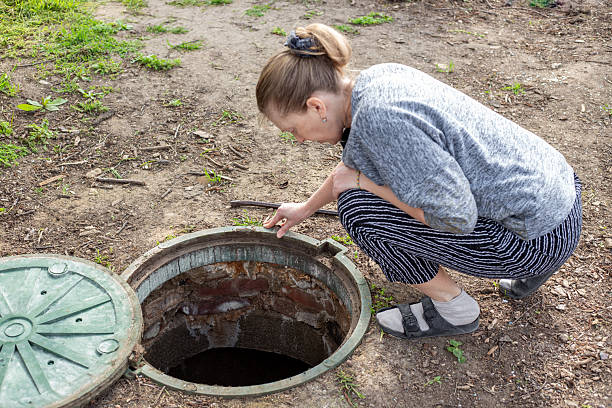
Smelly Drains - Causes, Solutions and Advice for London Property Owners
Smelly drains can be more than an unpleasant household problem. Persistent drain odours may indicate trapped waste, a dry water trap, blocked pipework or a wider drainage issue that requires investigation. In rental and commercial properties, recurring smells can also affect occupants, customers and the overall condition and usability of the premises.
For London homeowners, landlords, property managers and investors, the important question is not simply how to cover up a drain smell, but why the odour is occurring. Identifying the underlying cause can help prevent recurring problems and highlight drainage defects before they become more serious.
Why Do My Drains Smell?
A healthy drainage system is designed to carry wastewater away while preventing sewer gases from entering occupied areas. When something interferes with that process, unpleasant smells can develop.
Common causes of smelly drains in London properties include:
- Food and grease accumulating in kitchen waste pipes
- Hair, soap and organic material inside bathroom drains
- Dry or ineffective water traps
- Partially blocked waste pipes
- Poorly maintained floor drains
- Defective drainage connections
- Problems with soil or vent pipes
- Damaged underground drainage
- Sewage backing up
- Problems elsewhere within a shared drainage system
The location, frequency and character of the smell can provide useful clues about its source.
Smelly Drains in the Bathroom
Bathroom drain smells commonly originate from sinks, showers, baths or floor drains.
Hair, soap residue and other organic material can accumulate inside waste pipes and produce unpleasant odours as it decomposes. A trap that has dried out can also allow smells from the drainage system to enter the room.
This is particularly possible in guest bathrooms or vacant properties where sinks, showers and floor drains have not been used for an extended period.
Running water through an infrequently used fixture may restore the water seal where a dry trap is responsible. If the smell quickly returns, further investigation may be necessary.
Smelly Kitchen Sink Drains
A smelly kitchen drain is often associated with food debris, fats, oils and grease accumulating inside the sink waste system.
Over time, deposits can build up on the internal surface of the pipework. Even when water continues to drain, trapped organic material can create persistent unpleasant smells.
A sink that smells and also drains slowly may indicate a developing blockage.
Avoid routinely pouring fats and cooking oils down the sink. These substances can cool and solidify inside drainage pipes, contributing to restrictions and recurring blockages.
If cleaning accessible components does not resolve the problem, a plumber or drainage specialist may need to inspect the waste pipe.
Why Does My Drain Smell Like Sewage?
A strong sewage smell deserves more attention than an occasional odour from a kitchen sink.
Sewer-type smells can potentially result from ineffective traps, drainage defects, ventilation problems or wastewater backing up within the system.
Check whether the smell is associated with other symptoms, such as:
- Toilets gurgling
- Water draining slowly
- Several drains smelling simultaneously
- Toilets repeatedly blocking
- Wastewater backing up
- External drains overflowing
- Unusual changes in toilet water levels
When several symptoms occur together, the problem may extend beyond an individual sink or shower.
Smelly Drains but No Blockage
A drain can smell even when water appears to flow normally.
This may occur because organic deposits have accumulated without completely restricting the pipe. Problems with traps, seals or drainage ventilation can also produce odours without an obvious blockage.
In these situations, repeatedly using drain-cleaning products without establishing the cause may not provide a lasting solution.
Persistent unexplained smells can justify professional inspection, particularly when the problem affects several rooms or repeatedly returns after cleaning.
Why Do My Drains Smell When It Rains?
Some property owners notice that drainage smells become more noticeable during or after heavy rainfall.
Changes in drainage conditions can sometimes expose existing defects or problems with external drainage systems. If unpleasant smells consistently coincide with rainfall, overflowing drains, slow drainage or wastewater problems, the system may warrant investigation.
This can be particularly relevant in older London properties where drainage infrastructure has been altered through extensions, conversions or previous refurbishment.
The timing of the smell can be useful information for a drainage contractor attempting to diagnose the problem.
Smelly Drains in London Flats
Drain smells can be more complicated in flats and converted properties because waste and soil pipework may serve multiple units.
An odour appearing inside one flat does not necessarily mean the underlying problem originates within that apartment.
Shared stacks, communal drainage or defects elsewhere in the building may need to be considered.
For landlords, leaseholders and managing agents, establishing whether the affected pipework is demised or communal can also be important when determining responsibility for investigation and repair.
Where several residents report similar drainage smells, the building's wider drainage infrastructure may need assessment.
Smelly Drains in Rental Properties
Persistent drain smells should not be ignored in rented accommodation.
A minor smell caused by debris in an accessible sink trap presents a different issue from sewage odours caused by defective drainage. Establishing the cause is therefore important before responsibility is determined.
Landlords should encourage tenants to report recurring drainage smells, particularly where they are accompanied by blockages, leaks or wastewater backup.
Keeping records of complaints, contractor inspections and completed repairs can also help create a clear maintenance history.
Fraser Bond supports London landlords with lettings, compliance guidance and location-specific property expertise, helping owners approach property management and maintenance issues as part of their wider responsibilities.
Can Smelly Drains Be a Sign of a Blockage?
Yes. A developing blockage can trap organic material and restrict wastewater flow, resulting in unpleasant smells before the drain becomes completely obstructed.
A drain that smells and gradually becomes slower should therefore be monitored carefully.
If several fixtures begin draining slowly, the blockage may be located further along the system.
Professional drain cleaning in London can be appropriate where straightforward maintenance does not resolve the problem. Depending on the obstruction, drainage contractors may use mechanical cleaning or high-pressure water jetting.
When Is a CCTV Drain Survey Needed?
Persistent smells with no obvious internal cause can sometimes justify a CCTV drain survey.
A camera inspection allows accessible underground drainage to be examined without immediately excavating the property.
A survey can potentially identify issues such as:
- Damaged drainage pipes
- Displaced joints
- Root intrusion
- Persistent obstructions
- Structural deterioration
- Defective connections
- Problems contributing to recurring blockages
A CCTV survey is particularly relevant when drain smells are accompanied by repeated blockages or other evidence suggesting a structural drainage problem.
How to Get Rid of Smelly Drains
The correct solution depends on what is causing the smell.
For straightforward problems, cleaning accessible sink or shower components and ensuring traps contain water may be sufficient. Removing visible hair and debris can also improve bathroom drainage.
Avoid mixing different chemical drain cleaners, as incompatible products can create hazardous reactions.
If the smell persists, repeatedly returns or is accompanied by sewage backup, professional investigation is preferable to continually attempting to disguise the odour.
The objective should be to eliminate the source rather than temporarily cover the smell.
Preventing Drain Smells
Good drainage habits can reduce the likelihood of unpleasant odours and blockages.
Avoid putting fats, oils and grease into kitchen sinks. Food waste should be disposed of appropriately rather than washed into drains.
Hair traps or strainers can help prevent bathroom debris entering waste pipes, while infrequently used sinks and showers should occasionally have water run through them to maintain their traps.
For landlords and property managers, recurring drainage complaints should be investigated rather than treated as isolated incidents.
Smelly Drains in Commercial Properties
Drain odours can be particularly disruptive in restaurants, offices, shops, hotels and other commercial premises.
Businesses handling food may experience greater accumulation of fats, oils, grease and organic material. Floor drains and other infrequently used drainage points can also produce smells if they are not appropriately maintained.
For commercial landlords and facilities managers, planned drain cleaning can help reduce unexpected blockages and disruption.
Persistent sewage smells in customer-facing or occupied areas should be investigated promptly to determine whether cleaning, maintenance or drainage repairs are required.
Drain Smells When Buying a Property
Unexplained drainage smells during a property viewing should not automatically be dismissed.
A simple dry trap in an empty property can be relatively straightforward to resolve. Persistent sewage smells combined with slow drains, recurring blockages or evidence of previous drainage work can justify further investigation.
For older London houses, conversion properties and buildings undergoing refurbishment, a CCTV drain survey may provide useful information about underground drainage condition.
Property investors should consider potential drainage repair costs alongside the wider refurbishment budget and expected investment performance.
FraserBond.com provides investment advisory and acquisition support, helping buyers assess London property opportunities using location-specific market insight.
Drainage Considerations for Developers
Developers should also consider drainage when refurbishing, extending or converting property.
Existing pipework may have been altered repeatedly over the building's lifetime, and redundant or poorly configured connections can contribute to future drainage problems.
Investigating persistent smells before new finishes are installed can reduce the risk of disruptive remedial work after completion.
Drainage capacity should also be considered where development increases the number of bathrooms, kitchens or occupants using the building.
When Should You Call a Drainage Professional?
Consider professional assistance when drain smells are persistent, unexplained or accompanied by other drainage symptoms.
Particular warning signs include sewage entering the property, overflowing external drains, recurring toilet blockages, multiple slow drains or persistent smells affecting several rooms.
A drainage professional can help determine whether cleaning, blockage removal, CCTV inspection or repairs are appropriate.
Accurate diagnosis is especially important before substantial drainage work is authorised.
London Property Support from Fraser Bond
Smelly drains can begin as a relatively minor maintenance complaint, but recurring drainage problems can affect tenant satisfaction, property condition and the effective management of an investment.
FraserBond.com supports buyers, sellers, landlords, investors and developers across London with sales, lettings, compliance and investment advisory services.
Fraser Bond combines location-specific market knowledge with professional support throughout the property lifecycle. Whether you are managing a London rental property, assessing an investment opportunity, preparing an asset for letting or considering a sale, FraserBond.com provides specialist property guidance and access to current London listings.