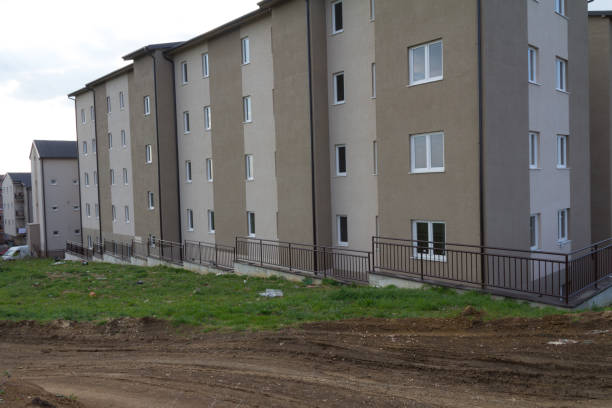
Specialist Supported Housing - What UK Landlords and Investors Should Know
Understand specialist supported housing in the UK, including property requirements, lease structures, local demand, regulatory considerations and what landlords and investors should check before committing to an SSH property.
Specialist supported housing is a specific part of the UK supported housing sector designed for people who need specialised accommodation and support to live independently.
For property owners, developers and investors, specialist supported housing can involve a different commercial and operational model from conventional residential property.
In England, specialised supported housing is defined as accommodation specifically designed or adapted for people who require specialised services to live independently as an alternative to a care home, with an ongoing level of support approximately equivalent to that provided by a care home. The statutory definition also includes requirements concerning the provider and the arrangement with a local authority or the NHS.
This makes it important to understand the exact property and operating model before purchasing, developing or leasing a property for specialist supported housing.
What Is Specialist Supported Housing?
Specialist supported housing, sometimes referred to as SSH, is intended for people with more complex support needs who may otherwise require residential care.
The accommodation can be specially designed, adapted or designated for a particular group.
Potential resident groups can include people with:
-
Physical disabilities
-
Learning disabilities
-
Mental health needs
-
Complex support requirements
-
Long-term care and support needs
-
Other needs requiring specialist accommodation
The objective is to provide suitable housing that allows residents to live in the community while receiving the support they require.
Specialist supported housing should therefore not simply be viewed as a standard rental property with support services added to it.
How Is Specialist Supported Housing Different From General Supported Housing?
The terms supported housing and specialist supported housing are sometimes used interchangeably, but they are not identical.
Supported housing covers a broad range of accommodation where residents receive support, care or supervision to help them live as independently as possible.
Specialist supported housing is a narrower category involving accommodation specifically designed or adapted for people who require specialised services and where the ongoing support is approximately comparable to that provided by a care home.
This distinction can matter when assessing:
-
Planning
-
Property design
-
Lease structure
-
Provider arrangements
-
Rent treatment
-
Funding
-
Local authority involvement
-
Regulatory requirements
Property owners should therefore establish exactly what type of supported housing is proposed rather than relying solely on terminology supplied by an operator.
What Type of Property Can Be Used?
Specialist supported housing can involve a range of property formats depending on residents' needs.
Potential properties include:
-
Detached houses
-
Semi-detached houses
-
Bungalows
-
Flats
-
Apartments
-
Small residential schemes
-
Purpose-built developments
-
Adapted existing properties
-
New-build specialist accommodation
The property should be assessed against the needs of the intended residents.
Important considerations can include bedroom configuration, accessibility, communal facilities, bathrooms, kitchens, circulation space, parking, outdoor areas and proximity to essential services.
A property that works for one specialist group may be unsuitable for another.
Location Matters for Specialist Supported Housing
Location is a major consideration when assessing a specialist supported housing property.
Residents may need convenient access to:
-
Healthcare
-
Public transport
-
Shops
-
Community facilities
-
Employment
-
Education
-
Specialist support services
-
Leisure facilities
-
Family and social networks
Local authority planning is becoming increasingly important in this area.
Under the Supported Housing (Regulatory Oversight) Act 2023, local authorities in England have a statutory duty to prepare Local Supported Housing Strategies. The guidance requires councils to consider local supply, unmet need and future demand.
For investors and developers, this means local demand should be investigated before purchasing a property specifically for specialist supported housing.
Designing Property for Specialist Supported Housing
The physical design of the property should reflect the needs of the intended residents.
Depending on the scheme, this could involve:
-
Level-access entrances
-
Wider internal doors
-
Accessible bathrooms
-
Adapted kitchens
-
Wet rooms
-
Grab rails
-
Specialist bathing facilities
-
Improved lighting
-
Accessible circulation routes
-
Secure entrances
-
Communal spaces
-
Staff or support areas where appropriate
Some projects may involve adapting an existing property, while others may justify purpose-built development.
The cost of these adaptations should be established before the property is acquired or a development agreement is signed.
Specialist Supported Housing and Planning
Planning should be considered at an early stage.
A property's existing residential use does not automatically mean that every specialist supported housing model can operate from the premises without further planning consideration.
The appropriate planning position depends on the proposed use and the characteristics of the scheme.
Factors that may need to be examined include:
-
Number of residents
-
Level of care or support
-
How residents occupy the property
-
Communal facilities
-
Staff arrangements
-
Physical alterations
-
Existing planning use
-
Proposed changes to the building
Planning advice should be obtained where there is uncertainty about whether permission or a change of use is required.
Lease-Based Specialist Supported Housing
One of the most significant property models in this sector is the lease-based arrangement.
Under a typical lease-based SSH structure, a property owner or investor leases accommodation to a registered provider for a long period. The registered provider then makes the accommodation available to residents, while care or support may be delivered by another organisation.
Historically, long-term leases of 10 years or more have been common in this model, with some arrangements extending to 20 years or longer.
Some leases can also contain full repairing and insuring obligations and rent increases linked to an index.
For landlords, this can create a very different risk profile from a conventional residential tenancy.
What Should Investors Check Before Accepting a Long Lease?
A long-term lease can look attractive because of the potential for predictable rental income.
However, the lease needs detailed assessment.
Investors should investigate:
-
Lease length
-
Rent review mechanism
-
Repair obligations
-
Insurance responsibilities
-
Service charge arrangements
-
Assignment provisions
-
Break clauses
-
Dilapidations
-
Alteration rights
-
Guarantees
-
Operator or provider covenant strength
-
Termination provisions
-
Reversion value
The Regulator of Social Housing has highlighted significant risks associated with some lease-based specialist supported housing models, including long-term and inflexible lease structures, maintenance obligations, cost pressures and provider financial viability.
The lease should therefore be reviewed on its full commercial terms rather than simply by looking at the headline annual rent.
Assess the Provider as Carefully as the Property
The quality of the operator or registered provider can have a significant effect on the investment.
Before entering a transaction, consider:
-
Provider history
-
Financial strength
-
Regulatory status
-
Experience with specialist housing
-
Existing property portfolio
-
Management arrangements
-
Repair and maintenance capability
-
Local authority relationships
-
Funding structure
-
Lease obligations
The Regulator of Social Housing has previously identified financial viability, governance and risk management issues among some lease-based specialist supported housing providers. Its 2025 reporting continues to highlight risks in the sector.
This does not mean every specialist supported housing arrangement carries the same risk. It does mean investors should conduct proper provider due diligence.
Specialist Supported Housing and Rent
Specialist supported housing has specific treatment under the social housing rent framework.
The 2026 Rent Standard lists specialised supported housing among the categories excluded from the Rent Standard, subject to the relevant statutory definitions and circumstances.
Investors should not assume, however, that a property qualifies simply because an operator describes it as specialist supported housing.
The legal structure, provider status, local authority or NHS arrangement and other requirements can all matter.
Specialist housing, housing benefit and lease arrangements should therefore be reviewed by appropriate legal, tax and housing professionals.
Refurbishing Property for Specialist Supported Housing
Existing properties may require substantial refurbishment before they can meet the needs of residents.
Potential works include:
-
Accessibility adaptations
-
Bathroom conversions
-
Kitchen upgrades
-
Electrical improvements
-
Fire safety works
-
Heating upgrades
-
New flooring
-
Door modifications
-
Security improvements
-
Damp and mould remediation
-
Roof repairs
-
External improvements
The responsibility for these works should be established before the lease is completed.
Some agreements may place substantial repairing obligations on the landlord, while others may allocate different responsibilities to the provider.
Fraser Bond can support property owners with refurbishment planning, building works, contractor coordination, repairs and ongoing property maintenance.
Specialist Supported Housing as an Investment
Investors considering specialist supported housing should assess both the property and the operating structure.
Key financial considerations include:
-
Acquisition price
-
Refurbishment budget
-
Professional fees
-
Financing costs
-
Lease income
-
Rent review mechanism
-
Maintenance exposure
-
Insurance
-
Management costs
-
Provider covenant
-
Local demand
-
Exit value
-
Future alternative uses
A strong investment analysis should also consider what happens if the existing provider leaves.
Can another provider use the property?
Would the property need substantial alterations?
Could it be sold to another investor?
Could it return to conventional residential use?
The answers can materially affect the property's long-term value.
New Supported Housing Regulation
The regulatory environment for supported housing is developing.
The Supported Housing (Regulatory Oversight) Act 2023 provides powers for a supported housing licensing regime and National Supported Housing Standards in England. The government's 2026 consultation response confirms that further regulations are being developed.
Local authorities are also expected to use their supported housing strategies to understand the local market and identify future housing needs.
For property owners, keeping track of these changes is important because future requirements can affect property standards, operating arrangements and the commercial relationship between landlords and providers.
Specialist Supported Housing Property Checklist
Before committing to a specialist supported housing project, investors and landlords should check:
Property
-
Location
-
Property type
-
Number of bedrooms
-
Accessibility
-
Bathrooms
-
Communal areas
-
Parking
-
Outdoor space
-
Existing condition
-
Adaptation requirements
Planning and Legal
-
Existing planning use
-
Proposed use
-
Title restrictions
-
Lease restrictions
-
Alteration rights
-
Licensing requirements
-
Relevant housing regulations
Provider
-
Registration and status
-
Financial strength
-
Track record
-
Management arrangements
-
Support model
-
Repair responsibilities
Financial
-
Purchase price
-
Refurbishment costs
-
Professional fees
-
Finance costs
-
Rent
-
Rent reviews
-
Maintenance exposure
-
Insurance
-
Exit value
Professional legal, planning, tax and regulatory advice should be obtained where required.
Fraser Bond Support for Specialist Supported Housing
Fraser Bond can support landlords, investors and developers involved in specialist supported housing property projects across the UK.
Depending on the project, services can include:
-
Property sourcing
-
Property acquisition
-
Investment advisory
-
Property sales
-
Lettings
-
Property management
-
Development consultancy
-
Refurbishment planning
-
Building works
-
Contractor coordination
-
Property repairs
-
Maintenance
-
Property upgrades
-
Compliance support
For investors considering a specialist supported housing opportunity, Fraser Bond can help coordinate the wider property requirements while specialist legal, planning, tax and regulatory advisers deal with matters requiring specific professional advice.
Explore Specialist Supported Housing Opportunities With Fraser Bond
Specialist supported housing can provide purpose-designed or adapted accommodation for people who require additional support to live independently.
For landlords and investors, however, the opportunity should be assessed beyond the headline rental income.
The property's suitability, local demand, planning position, provider strength, lease structure, maintenance obligations, refurbishment requirements and future exit options all deserve careful consideration.
Fraser Bond can support property owners and investors with property sourcing, acquisition, investment advisory, lettings, property management, refurbishment, building works, contractor coordination, repairs, maintenance and development consultancy.
If you are considering specialist supported housing in the UK, Fraser Bond can help you assess the property requirements and coordinate the wider services needed to prepare, acquire, lease, manage or develop the asset.