Supported Housing Property - What UK Landlords and Investors Should Know
Understand supported housing property in the UK, including suitable property types, accommodation standards, planning, local demand, leasing considerations, refurbishment and investment opportunities.
Supported housing property is becoming an increasingly important area of the UK housing market, particularly for landlords, property investors, developers and organisations providing accommodation alongside support.
Supported housing can accommodate a wide range of people who need additional assistance to live independently. This can include older people, people with disabilities, people experiencing homelessness, care leavers, people recovering from addiction and people with mental health or other support needs. Government guidance defines supported housing as accommodation where residents receive care, support or supervision intended to help them live as independently as possible within the community.
For property owners, however, a supported housing property is more than a conventional rental property with a different tenant.
The property's location, layout, condition, facilities and proposed use all need to work for the intended residents and support model.
What Is Supported Housing Property?
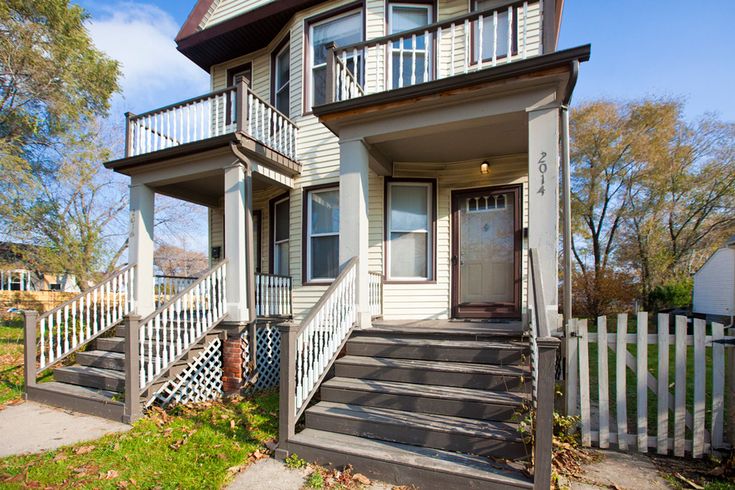
Supported housing property is accommodation used to provide housing alongside support, supervision or care for people with identified support needs.
The property can take different forms, including:
-
Houses
-
Flats and apartments
-
Bungalows
-
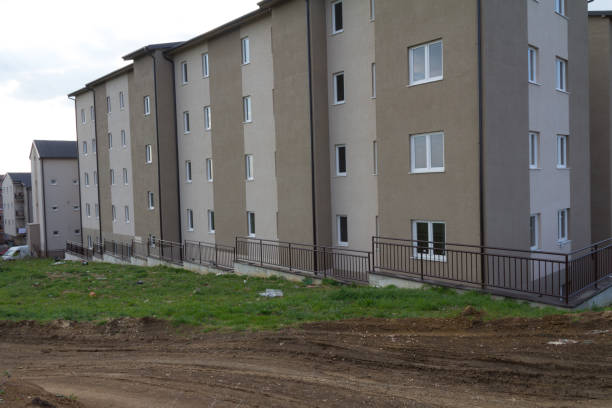
Small residential blocks
-
Purpose-designed accommodation
-
Adapted homes
-
Sheltered housing
-
Transitional accommodation
-
Specialist supported housing
-
Accommodation for people with disabilities
-
Accommodation for people leaving care
-
Homelessness accommodation
The precise structure varies according to the client group and the organisation providing the support.
Some organisations own the property themselves, while others lease properties from private landlords or investors. Government guidance recognises that ownership, management and support provision can sit with different organisations, which can affect where responsibilities lie.
What Makes a Property Suitable for Supported Housing?
A property does not automatically become suitable for supported housing simply because it has enough bedrooms.
The property needs to be appropriate for the people who will occupy it.
Important considerations can include:
Location
Location can influence whether a property works for a particular supported housing scheme.
Depending on the residents, useful facilities may include:
-
Public transport
-
Shops and supermarkets
-
GP surgeries
-
Hospitals and healthcare facilities
-
Employment opportunities
-
Schools and colleges
-
Community facilities
-
Parks and outdoor areas
-
Local support services
Local authorities in England are now required to develop Local Supported Housing Strategies that consider existing supply, unmet need and future demand. For property investors and developers, this makes local market research particularly relevant before acquiring or adapting a property.
Layout
The internal layout should suit the intended occupancy model.
Depending on the scheme, operators may look for:
-
Appropriate bedroom sizes
-
Adequate bathrooms
-
Communal areas
-
Private living space
-
Kitchen facilities
-
Storage
-
Accessible entrances
-
Suitable circulation space
-
Secure external areas
The right configuration depends heavily on the resident group.
A property suitable for relatively independent adults may not be suitable for residents requiring significant accessibility adaptations.
Supported Housing Property Standards
Property condition is particularly important because supported housing residents may have additional vulnerabilities or accessibility requirements.
Government guidance recommends that supported housing accommodation is safe, well maintained and appropriate for residents' needs. Suggested accommodation standards cover areas such as fire safety, gas safety, electrical safety, accessibility, energy efficiency, property condition and housing hazards.
Landlords should therefore review matters including:
-
Gas safety
-
Electrical installations
-
Fire safety
-
Smoke and carbon monoxide alarms
-
Heating and hot water
-
Plumbing
-
Roofing
-
Windows and doors
-
Damp and mould
-
Security
-
Accessibility
-
EPC requirements
-
HMO requirements where applicable
-
General repair and maintenance
The precise legal requirements depend on the property, tenancy arrangement and proposed use.
Adapted and Accessible Supported Housing
Some supported housing properties need adaptations to allow residents to live independently.
Potential adaptations can include:
-
Level-access entrances
-
Wider doors
-
Accessible bathrooms
-
Grab rails
-
Walk-in showers
-
Accessible kitchens
-
Improved lighting
-
Handrails
-
Improved circulation space
-
Specialist equipment
Investors should establish the likely adaptation requirements before purchasing a property where possible.
A property requiring extensive accessibility work may still have potential, but the acquisition price and refurbishment budget need to reflect the work involved.
Planning and Supported Housing Property
Planning should be investigated before a property is committed to a particular supported housing model.
Supported housing is not one single type of planning use. The appropriate planning position can depend on how the property is occupied, the level of support or care provided, the number of residents and the physical and operational characteristics of the scheme.
The government is currently developing further supported housing regulation following the Supported Housing (Regulatory Oversight) Act 2023. Its 2026 consultation response confirms that regulations are being drafted, with further consultation on the regulations expected later in 2026.
Landlords should therefore avoid assuming that a property can automatically be used for any form of supported housing simply because it is already residential.
Planning advice should be obtained where the proposed use could require permission, a change of use or other planning consideration.
Supported Housing Is Not One Single Property Model
One of the biggest mistakes investors can make is treating all supported housing as the same.
Different schemes can serve very different groups.
For example, supported housing can include accommodation for:
-
Older people
-
People with physical disabilities
-
People with learning disabilities
-
People with mental health support needs
-
People experiencing homelessness
-
People recovering from substance dependency
-
Care leavers
-
People leaving the criminal justice system
-
People fleeing domestic abuse
Government guidance identifies a similarly broad range of supported housing needs.
Each category can create different requirements for the property.
Supported Housing Property and Local Demand
Before purchasing a property specifically for supported housing, investors should investigate whether there is genuine demand for the accommodation.
This can involve looking at:
-
Local authority strategies
-
Existing supported housing supply
-
Waiting lists
-
Local demographic trends
-
Housing shortages
-
Referral pathways
-
Local commissioning arrangements
-
Availability of suitable properties
-
Existing operators in the area
England's Local Supported Housing Strategies are specifically intended to help councils understand local supported housing supply, unmet need and future demand.
This information can be useful when assessing whether a proposed property is commercially and operationally suitable.
Leasing Supported Housing Property to an Operator
A property owner may decide to lease a property to a supported housing provider rather than manage the accommodation directly.
Before entering into an agreement, the landlord should establish:
-
Who will be the tenant under the lease?
-
Who will occupy the property?
-
Who provides support?
-
What is the proposed lease term?
-
Who handles repairs?
-
Who pays for adaptations?
-
Who is responsible for compliance?
-
Can the property be sublet?
-
Can the lease be assigned?
-
What happens if the operator stops providing the service?
-
What happens when the lease ends?
The financial strength and experience of the proposed operator should also be assessed.
A long-term lease can provide a different investment structure from conventional residential letting, but the landlord should understand both the income arrangement and the obligations attached to the property.
Refurbishing Property for Supported Housing
Many existing properties require work before they can operate effectively as supported housing.
Potential refurbishment can include:
-
Bathroom upgrades
-
Kitchen refurbishment
-
Accessibility adaptations
-
Electrical upgrades
-
Fire safety improvements
-
Heating improvements
-
Flooring
-
Decoration
-
Roof repairs
-
Damp treatment
-
Security upgrades
-
Garden improvements
-
External repairs
The cost of these works should be assessed before the investment decision is made.
Fraser Bond can support property owners with refurbishment planning, building works, contractor coordination, repairs and ongoing maintenance.
Supported Housing Property as an Investment
Investors considering supported housing property should assess the complete financial picture rather than focusing solely on projected rent.
Important factors can include:
-
Purchase price
-
Rental income
-
Lease length
-
Refurbishment costs
-
Financing
-
Maintenance obligations
-
Insurance
-
Property management
-
Void risk
-
Operator strength
-
Local demand
-
Planning position
-
Future resale options
An investor should also consider what happens if the supported housing operator leaves.
Can another suitable operator take over?
Could the property return to conventional residential use?
Would significant alterations need to be reversed?
These questions can affect the property's long-term investment position.
Supported Housing Regulation Is Changing
Landlords and investors should keep up with regulatory developments.
The Supported Housing (Regulatory Oversight) Act 2023 provides for local supported housing strategies and gives the government powers relating to licensing and National Supported Housing Standards in England. The government's 2026 response confirms that further regulations are being developed.
This means property owners should consider supported housing as both a property investment and an operationally sensitive asset.
The quality of the accommodation, management arrangements and support model can all become relevant to the property's ongoing suitability.
What Should Landlords Check Before Buying?
Before purchasing a supported housing property, investors can work through a practical due diligence checklist.
Property
Check:
-
Location
-
Property type
-
Number of bedrooms
-
Floor plan
-
Bathrooms
-
Communal areas
-
Accessibility
-
Parking
-
Garden or outdoor space
-
Current condition
Legal and Planning
Review:
-
Existing planning use
-
Proposed use
-
Lease restrictions
-
Title restrictions
-
HMO considerations
-
Licensing requirements
-
Restrictions on alterations
-
Existing tenancy arrangements
Financial
Calculate:
-
Purchase costs
-
Stamp Duty Land Tax
-
Refurbishment budget
-
Professional fees
-
Finance costs
-
Expected rent
-
Management costs
-
Maintenance costs
-
Insurance
-
Potential voids
Specialist legal, planning and tax advice should be obtained where the transaction or proposed use requires it.
Fraser Bond Support for Supported Housing Property
Fraser Bond can assist landlords, investors, developers and property owners with supported housing property projects across the UK.
Depending on the project, services can include:
-
Property sourcing
-
Property acquisition
-
Investment advisory
-
Property sales
-
Lettings
-
Property management
-
Development consultancy
-
Refurbishment
-
Building works
-
Contractor coordination
-
Property repairs
-
Maintenance
-
Property upgrades
-
Compliance support
For investors considering a property for supported housing, Fraser Bond can help with the wider property requirements while specialist legal, planning, tax and regulatory professionals address matters requiring specific professional advice.