Subsidence House Problems UK - Signs, Causes, Costs and What to Do
Subsidence house problems UK explained - learn how to spot warning signs, understand common causes, deal with insurance and protect your property when ground movement affects a home
Subsidence is one of the more serious property problems a homeowner can encounter. It occurs when the ground supporting a building moves or sinks, potentially causing movement and cracking in the structure.
Not every crack means a house has subsidence. Minor cracking can occur naturally as buildings settle, plaster dries or materials respond to temperature and humidity. However, certain patterns of cracking and movement should be investigated rather than ignored.
What causes subsidence in UK houses?
Subsidence can have several causes, depending on the property's location and ground conditions.
Common causes include:
-
Clay soil shrinking during prolonged dry weather
-
Trees and large shrubs drawing moisture from the ground
-
Leaking drains or underground pipes
-
Former mines or quarry workings
-
Unstable or disturbed ground
-
Changes in groundwater conditions
-
Poorly compacted ground beneath a property
Clay soils can be particularly susceptible because they expand and contract as their moisture content changes. Trees can also contribute by extracting significant amounts of moisture from the soil close to foundations.
What are the signs of subsidence?
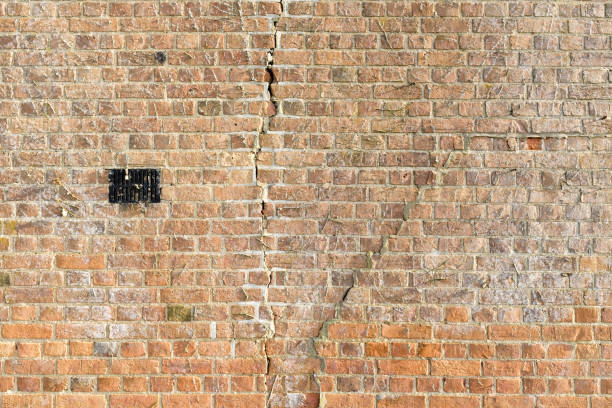
One of the most recognisable warning signs is cracking in walls or brickwork.
Potential indicators include:
-
Diagonal cracks around windows and doors
-
Cracks that become wider towards one end
-
Cracks wider than approximately 3mm
-
Doors or windows suddenly becoming difficult to open
-
Wallpaper becoming distorted or crinkled
-
Cracking that appears or worsens after prolonged dry weather
-
Visible movement in parts of the building
Subsidence cracks are often distinctive, but cracking alone does not prove that a property has subsidence. A professional assessment may be needed to establish the cause.
Does every crack mean a house has subsidence?
No.
Buildings naturally experience some movement. Fine cracks can appear as new properties and extensions settle, while plaster and other materials can develop minor cracks as they dry.
The pattern, size, location and progression of a crack are more important than simply seeing a crack on a wall.
If a crack is new, rapidly worsening, unusually wide or accompanied by other signs of structural movement, obtaining professional advice is sensible.
What should I do if I suspect subsidence?
Do not immediately assume that the property needs underpinning.
The first step is to document the problem and contact your buildings insurer as soon as possible. The Association of British Insurers recommends contacting the insurer when subsidence is suspected, as the insurer may arrange specialist investigation to establish the cause and extent of the damage.
A structural engineer or other suitably qualified professional may also be involved depending on the circumstances.
The investigation should establish whether the movement is active, what caused it and what repairs are appropriate.
Does buildings insurance cover subsidence?
Buildings insurance will usually provide cover for structural damage caused by subsidence, subject to the individual policy's terms, exclusions and excess.
The ABI states that buildings insurance will usually cover damage to the structure caused by subsidence and that policies commonly have a subsidence excess.
If the property becomes uninhabitable because of serious subsidence, insurance may also provide cover for alternative accommodation, depending on the policy.
Homeowners should check their individual policy rather than assuming every expense will be covered.
Does subsidence mean a house needs underpinning?
Not necessarily.
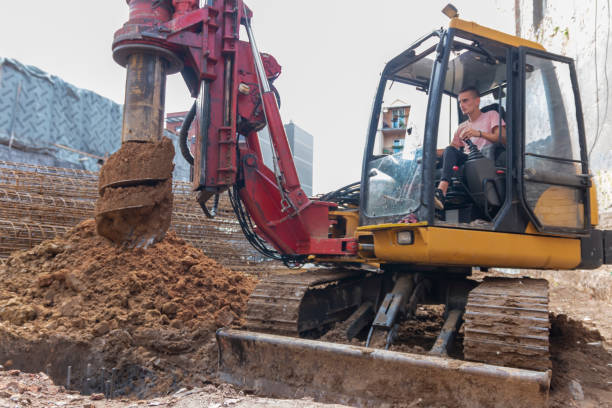
Underpinning involves strengthening or deepening foundations and may be appropriate where subsidence is severe or continuing.
However, the correct solution depends on the cause and severity of the movement. In some cases, repairing a leaking drain, managing vegetation or carrying out other remedial work may address the underlying problem.
The ABI notes that severe ongoing subsidence may require monitoring before a long-term solution is determined, while extreme cases may require underpinning.
Can trees cause subsidence?
Yes, particularly where trees or large shrubs are close to properties built on susceptible soils.
Trees can draw moisture from the soil, contributing to shrinkage in clay soils. This does not mean that every nearby tree should be removed.
Homeowners should obtain professional advice before removing or heavily pruning significant trees, particularly where tree preservation restrictions or other planning considerations may apply.
Can leaking drains cause subsidence?
Yes.
Leaking drains and water pipes can alter the ground around foundations. Depending on the soil conditions, escaping water can soften or wash away supporting material.
If cracking appears alongside drainage problems, investigating the drainage system may therefore be an important part of identifying the cause.
Can you sell a house with subsidence?
Yes, but a history of subsidence can make a sale more complicated.
Buyers, mortgage lenders and insurers may want information about:
-
The cause of the subsidence
-
Previous structural investigations
-
Repair work
-
Underpinning, if applicable
-
Monitoring records
-
Insurance claims
-
Guarantees or warranties
-
Whether movement has stabilised
-
Current buildings insurance arrangements
Being transparent about known structural issues is important. Trying to conceal a previous subsidence problem can create significant problems during conveyancing and may affect future insurance and resale.
Does subsidence affect house value?
It can.
The effect on value depends on the severity of the problem, whether the movement is historic or ongoing, the quality of previous repairs, insurance availability and buyer and lender confidence.
A property with properly investigated and resolved historic subsidence may be considerably easier to sell than a property with unexplained or continuing structural movement.
Insurance availability is also important because previous subsidence can make obtaining cover more difficult or expensive in some circumstances.
What if the property is in a former mining area?
Former mining activity can create ground stability problems in some locations.
If a property has suffered damage potentially connected with coal mining subsidence, there may be specific compensation routes. GOV.UK states that owners can potentially claim for certain coal-mining subsidence damage through the Mining Remediation Authority.
A specialist surveyor can help establish whether mining activity may be responsible.
What should buyers check before purchasing a house with subsidence?
Buying a property with a history of subsidence does not automatically make it a bad investment, but buyers should investigate the issue carefully.
Before exchanging contracts, consider obtaining:
-
A detailed survey
-
Structural engineering advice where appropriate
-
Details of previous subsidence claims
-
Information about repairs and monitoring
-
Evidence of underpinning where applicable
-
Buildings insurance terms
-
Relevant guarantees or warranties
-
Information about nearby trees
-
Drainage information
-
Ground stability or mining information where relevant
The cost of investigating the issue can be small compared with the potential cost of discovering a serious structural problem after completion.
How can homeowners reduce subsidence risk?
Not every cause of subsidence can be prevented, but sensible property maintenance can reduce some risks.
Homeowners should:
-
Keep gutters and downpipes maintained
-
Repair leaking plumbing and drains
-
Monitor significant cracks
-
Manage large trees and shrubs appropriately
-
Investigate unexplained movement promptly
-
Maintain suitable buildings insurance
-
Avoid ignoring recurring structural problems
The ABI specifically recommends maintaining gutters, pipes and plumbing to reduce risks associated with leaks and managing trees or large shrubs where appropriate.
How Fraser Bond can help with property problems
Subsidence can affect more than the physical condition of a property. It can influence insurance, mortgageability, valuation, saleability and the timing of a transaction.
Fraser Bond supports homeowners, landlords, investors and property buyers across London and the UK with property consultancy, management and transaction support.
Where a property has suspected or historic subsidence, obtaining the right professional assessments and understanding the property's documentation before making a major decision can help reduce unnecessary risk.