Supported Accommodation for 16 Year Olds
Property, Planning and Ofsted Requirements for 16-Year-Old Supported Accommodation in England
Supported accommodation for 16 year olds is designed to help eligible young people develop independence while receiving appropriate support. In England, Ofsted regulates supported accommodation services for looked-after children and care leavers aged 16 and 17 who are placed by a local authority under the relevant statutory arrangements.
For property owners, landlords, investors and supported accommodation providers, finding a suitable building requires more than simply identifying a residential property. The accommodation must be appropriate for the young people it is intended to support, while the provider must meet the relevant Ofsted registration requirements.
What Is Supported Accommodation for 16 Year Olds?
Supported accommodation provides housing and support for eligible 16- and 17-year-olds who are considered capable of living with a degree of independence.
It can include accommodation for looked-after children placed in "other arrangements" or suitable accommodation for care leavers.
The purpose is to provide a stable living environment while helping young people develop practical skills for adulthood. Support may include help with budgeting, cooking, education, employment, appointments, household responsibilities and other areas of independent living.
However, supported accommodation is not automatically suitable for every 16-year-old. Ofsted states that it is unlikely to be appropriate where a child has high or complex needs, requires a high level of ongoing care and supervision, has their liberty restricted or needs help with personal care.
Types of Accommodation for 16 Year Olds
Ofsted recognises four categories of supported accommodation:
-
Single-occupancy accommodation
-
Ring-fenced shared accommodation
-
Non-ring-fenced shared accommodation
-
Accommodation in a private residence, such as supported lodgings
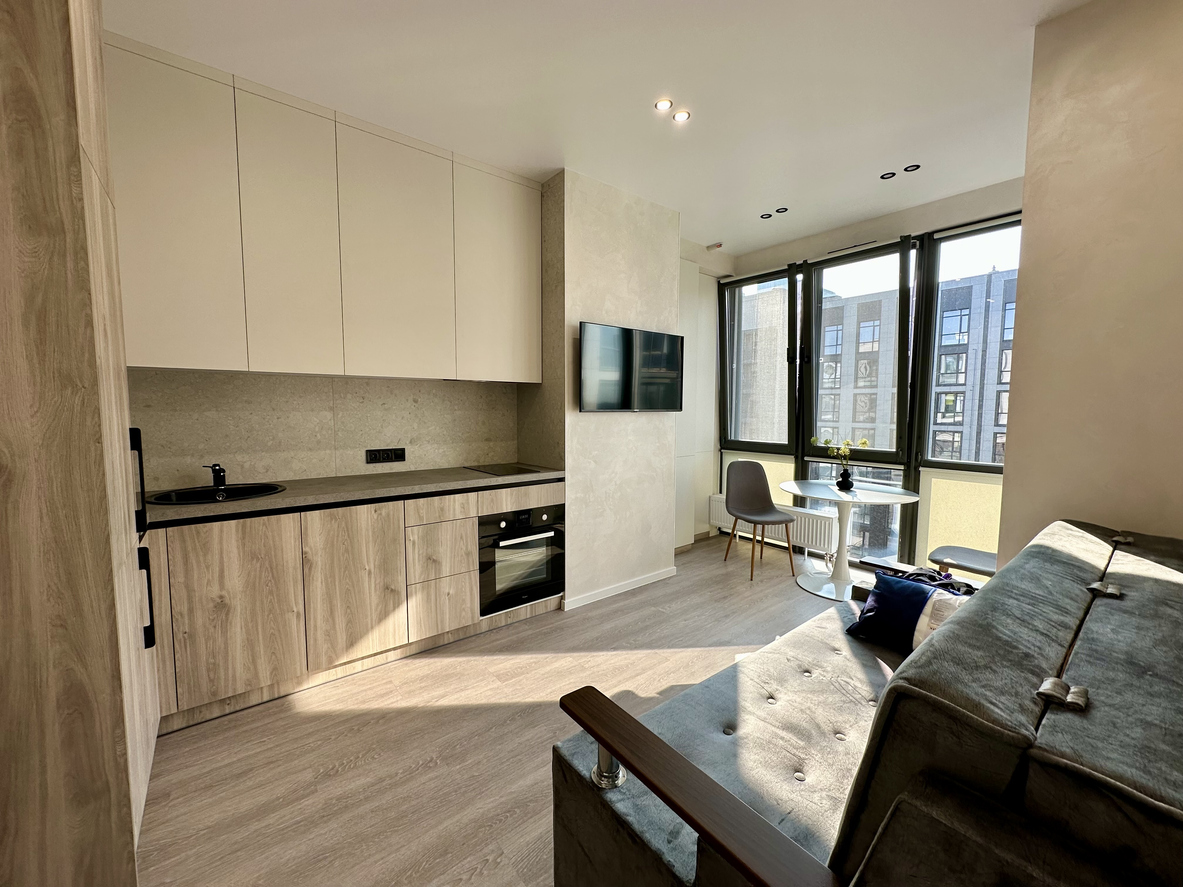
A single-occupancy property can provide a young person with their own living environment without routine reliance on communal areas.
Shared accommodation can provide individual bedrooms alongside communal kitchens and living spaces. In ring-fenced accommodation, the residents are looked-after children and care leavers, although care leavers over 18 may also live there.
Non-ring-fenced shared accommodation can include 16- and 17-year-olds living alongside other people aged over 18 who are not care-experienced.
The provider needs to register for the appropriate accommodation category before operating.
What Property Is Suitable for 16-Year-Old Supported Accommodation?
The right property depends on the accommodation category, the provider's statement of purpose and the needs of the young people who may live there.
Potential properties include:
-
Self-contained flats
-
Houses suitable for shared living
-
Small residential buildings
-
Supported lodgings
-
Existing supported accommodation properties
-
Residential properties that can be appropriately refurbished
Bedrooms should provide suitable privacy, while kitchens and communal spaces should support everyday living and the development of independent skills.
The property should also be practical for the level of support being provided. A large house is not automatically a better supported accommodation property if its layout, location or condition does not suit the proposed service.
Location Requirements
Location can have a significant impact on the suitability of accommodation for a 16-year-old.
Young people may need to travel independently to school, college, training, employment, healthcare appointments and other services. A property with convenient transport connections can therefore support the overall purpose of semi-independent accommodation.
Before securing a property, operators should consider:
-
Public transport
-
Schools and colleges
-
Training and employment opportunities
-
Shops and supermarkets
-
Healthcare services
-
Community facilities
-
Safe walking routes
-
Local environmental risks
-
Access to support services
The surrounding neighbourhood should also be considered in relation to the individual needs of the young people the provider expects to accommodate.
Planning Permission for Supported Accommodation
Planning should be investigated before a property is purchased or leased.
Ofsted requires applicants to demonstrate that their proposed premises are fit for purpose and suitable for the children they intend to accommodate. Applicants must also check with the relevant local authority whether planning permission is required and obtain appropriate approval where necessary.
Landlords and providers should therefore establish:
-
The property's existing planning use
-
Whether the proposed use requires planning permission
-
Any planning conditions
-
Whether alterations require additional consent
-
Whether building or conversion work is required
-
Whether the property can operate in accordance with the proposed service
Planning permission and Ofsted registration are separate issues. A property having an appropriate planning position does not mean the operator is automatically registered with Ofsted.
Ofsted Registration for 16-Year-Old Supported Accommodation
A provider intending to operate a supported accommodation service must register with Ofsted before starting the service.
The application is made using the SC1 form and requires information about the provider, service, premises and accommodation categories. Associated individuals, such as the registered service manager and nominated individual where applicable, also have registration requirements.
The provider must prepare a statement of purpose for the service. This explains the accommodation categories being offered, the nature of the accommodation and how the service is designed to meet the needs of prospective young people.
Ofsted also requires evidence that the proposed premises are fit for purpose. The application requires providers to confirm that the premises can be used in accordance with the statement of purpose without needing planning permission, building works or conversion.
Operating a supported accommodation service without the appropriate Ofsted registration is an offence.
Supported Accommodation or Children's Home?
This distinction is important when assessing property.
Supported accommodation is intended to enable eligible 16- and 17-year-olds to live semi-independently. A children's home, by contrast, provides accommodation alongside a higher level of care and supervision.
The appropriate model depends on the needs of the young people rather than simply their age.
A provider should therefore establish the intended service model before acquiring or leasing a property. Choosing the wrong property for the intended level of care can create significant problems with planning, refurbishment, registration and future operations.
Refurbishing Property for 16-Year-Old Supported Accommodation
Some properties may need refurbishment before they can provide an appropriate living environment.
Potential works can include:
-
Kitchen upgrades
-
Bathroom improvements
-
Electrical repairs
-
Plumbing upgrades
-
Heating improvements
-
Fire safety works
-
Bedroom refurbishment
-
Flooring and decoration
-
Security improvements
-
Repairs to external areas
The refurbishment should be based on the proposed accommodation model and the needs of the young people rather than focusing solely on appearance.
For landlords leasing to an operator, the lease should clearly establish responsibility for refurbishment, repairs, maintenance, insurance and reinstatement.
Leasing Property to a Supported Accommodation Provider
Landlords can lease suitable residential property to specialist organisations providing supported accommodation.
Before agreeing a lease, landlords should understand how the property will be used and carry out appropriate checks on the proposed operator.
These can include:
-
Ofsted registration status
-
Provider experience
-
Proposed accommodation category
-
Intended occupancy
-
Lease length
-
Rent and payment arrangements
-
Maintenance responsibilities
-
Insurance
-
Refurbishment obligations
-
Planning position
-
Property management arrangements
A specialist lease can provide greater clarity over responsibilities throughout the tenancy.
Buying Property for 16-Year-Old Supported Accommodation
Investors looking for supported accommodation opportunities can consider existing specialist properties as well as conventional residential buildings that may be suitable for adaptation.
The investment assessment should cover more than the purchase price.
Important considerations include:
-
Acquisition costs
-
Refurbishment requirements
-
Planning position
-
Property condition
-
Location
-
Layout and bedroom capacity
-
Operator strength
-
Lease structure
-
Maintenance costs
-
Insurance
-
Long-term exit options
A property that appears suitable at first inspection may require substantial work before it can support the intended accommodation model.
Working With Fraser Bond
Fraser Bond can assist property owners, investors and supported accommodation providers looking for suitable property opportunities across London and the wider UK.
Depending on the project, services can include property sourcing, acquisition advice, leasing, refurbishment coordination, property management and wider property consultancy.
For operators looking for accommodation for 16-year-olds, a detailed property brief can help identify suitable opportunities. The brief can specify the preferred location, accommodation category, number of residents, bedroom requirements, communal facilities, outdoor space, budget and preferred lease or purchase structure.
For landlords, understanding the provider's requirements can help determine whether a property is appropriate for the proposed use.
What to Check Before Securing a Property
Before committing to supported accommodation for 16 year olds, operators and landlords should consider:
-
Is the property suitable for the intended young people?
-
Which Ofsted accommodation category applies?
-
Does the layout support semi-independent living?
-
Has the planning position been checked?
-
Are schools, transport and essential services accessible?
-
Does the property require refurbishment?
-
Who will pay for refurbishment and ongoing repairs?
-
Is the proposed operator appropriately registered?
-
Are lease responsibilities clearly defined?
-
Does the property match the provider's statement of purpose?
The right property should support both the practical needs of young people and the operational requirements of the provider. Careful property selection, planning checks and regulatory due diligence can help reduce costly problems and create a stronger foundation for supported accommodation.