Supported Accommodation Property Sourcing: Finding Suitable UK Properties
A practical guide for supported accommodation providers, landlords, investors and developers sourcing suitable properties across London and the UK
Supported accommodation property sourcing requires more than finding a property with enough bedrooms. The building needs to match the intended resident group, support model, location requirements, planning position and operational needs of the provider.
For operators, suitable properties may include large residential houses, flats, bungalows, former care properties, converted buildings and purpose-designed accommodation. The right property can provide a practical foundation for delivering safe accommodation while allowing residents to develop independence.
However, the term "supported accommodation" can cover different models. Adult supported housing, specialist supported living and Ofsted-regulated supported accommodation for looked-after children and care leavers are not interchangeable. Property sourcing should therefore begin with a clear understanding of who will live at the property and what service will be provided.
What is supported accommodation property?
Supported accommodation property is accommodation where housing is provided alongside support, supervision or other services intended to help residents live more independently.
Depending on the service model, properties may be used for:
-
Young people and care leavers
-
Adults with learning disabilities
-
Adults with physical disabilities
-
People with autism
-
People with mental health needs
-
People moving on from residential care
-
People requiring transitional accommodation
-
People experiencing homelessness
-
Other groups requiring housing alongside support
The physical requirements can vary substantially between these models.
A property suitable for independent living for a care leaver may be very different from accommodation for an adult with significant accessibility requirements.
Start with a property sourcing brief
Before searching the market, a provider should create a detailed property brief.
This can include:
-
Number of residents
-
Resident age group
-
Number of bedrooms
-
Single or shared accommodation
-
Number of bathrooms
-
En-suite requirements
-
Ground-floor accommodation
-
Accessibility requirements
-
Communal areas
-
Kitchen facilities
-
Staff facilities
-
Office space
-
Storage
-
Garden or outdoor space
-
Parking
-
Public transport requirements
-
Preferred location
-
Purchase budget
-
Maximum rent
-
Required lease length
-
Planning requirements
-
Refurbishment requirements
A detailed brief allows a property consultant to identify properties that are genuinely relevant rather than simply forwarding generic residential listings.
What types of property can work?
There is no single property type suitable for every supported accommodation service.
Large residential houses
Large detached and semi-detached houses can provide multiple bedrooms, communal areas, gardens and staff facilities.
They may be suitable for shared accommodation models where residents have private bedrooms but use communal kitchens and living spaces.
Flats and apartments
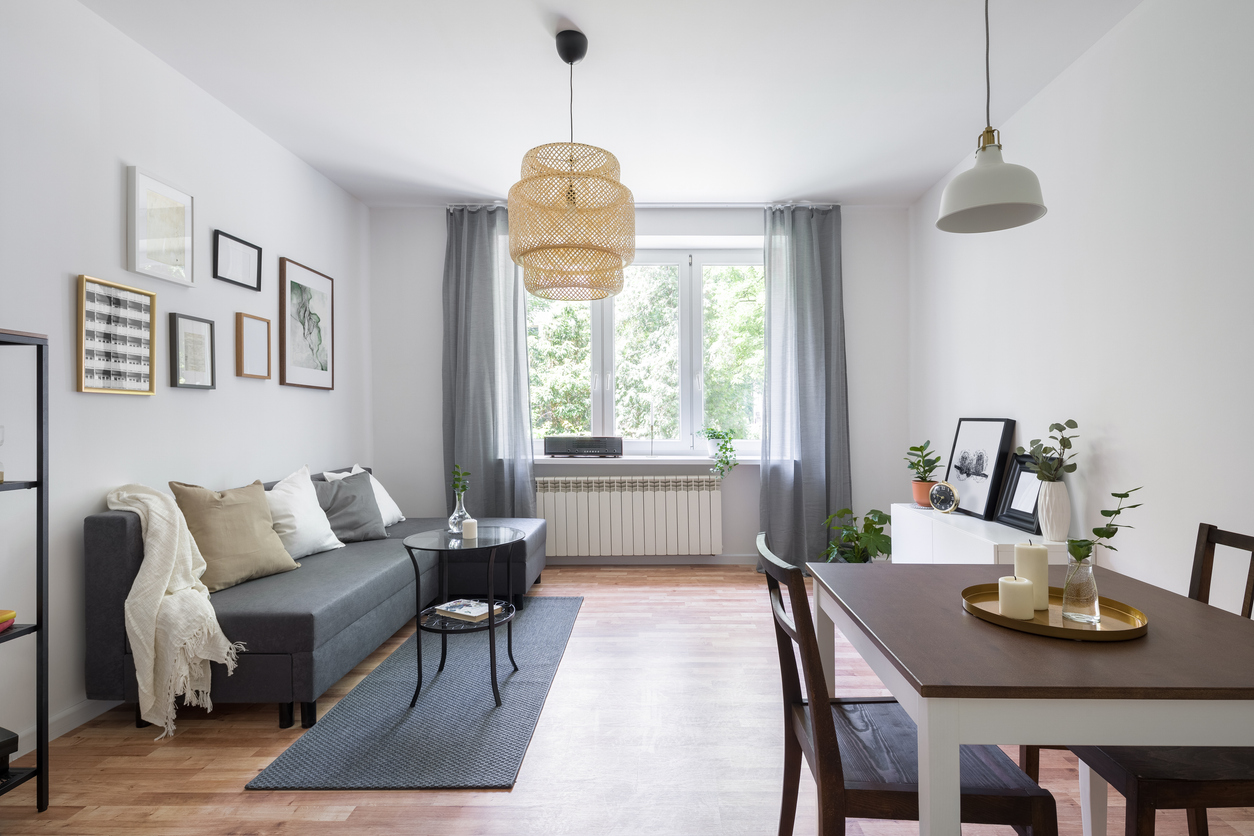
Self-contained flats can provide greater independence for residents.
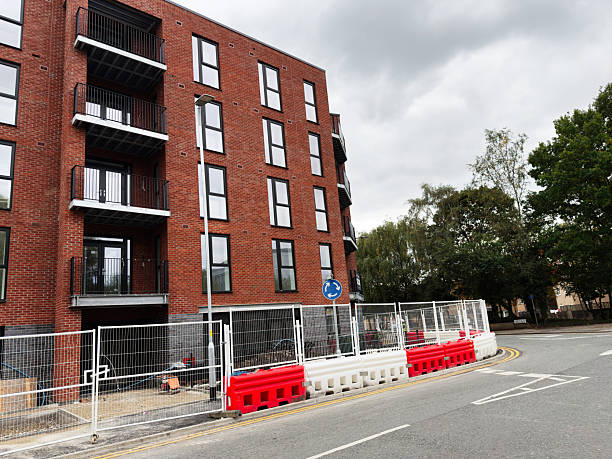
A block containing several suitable units can also be considered where the operating model and planning position allow it.
Bungalows
Bungalows can be particularly useful where residents have mobility requirements because accommodation can be arranged on one level.
However, accessibility should still be assessed rather than assumed simply because a property is single-storey.
Former care properties
Former care homes and specialist residential properties can provide useful infrastructure such as accessible bathrooms, multiple bedrooms, communal areas and staff facilities.
The previous use should not be treated as automatic evidence that the property is suitable. Planning, condition and the proposed supported accommodation model still need to be assessed.
Purpose-designed accommodation
Purpose-designed properties can provide greater control over accessibility, privacy, communal facilities and staff areas.
For developers, this can create opportunities to design accommodation around a clearly defined resident group from the beginning.
Planning needs to be checked early
Planning is one of the most important parts of supported accommodation property sourcing.
The proposed use, number of residents, household arrangements, level of support and physical configuration of the building can all affect the planning position.
Providers should establish:
-
Existing lawful use
-
Previous use
-
Planning history
-
Any planning conditions
-
Whether the proposed use requires planning permission
-
Whether internal or external alterations require consent
-
Whether additional bedrooms or units require approval
-
Whether the local authority has specific policies affecting supported accommodation
The government has been developing the regulatory framework around supported housing, and current guidance makes clear that local authorities have a role in understanding local supported housing supply, unmet need and future demand.
This makes local planning and housing policy an important part of property sourcing rather than something to investigate only after agreeing a purchase.
Ofsted requirements for children's supported accommodation
Where the property will provide supported accommodation for looked-after children or care leavers aged 16 and 17 in England, Ofsted registration is required.
Ofsted's current registration guidance states that applicants need to check with the relevant local authority whether planning permission is required and obtain the appropriate approval where necessary. Providers must also demonstrate that the proposed premises can be used consistently with their statement of purpose without requiring unapproved planning, building works or conversion.
Ofsted recognises four categories of supported accommodation, including self-contained accommodation and shared or group living arrangements.
This distinction matters when sourcing property because a provider should identify the intended category before deciding whether a particular building is suitable.
Location is particularly important
Location can affect both resident outcomes and the practicality of operating the service.
Depending on the resident group, operators may look for properties close to:
-
Public transport
-
Shops
-
Schools and colleges
-
Employment opportunities
-
GP services
-
Hospitals
-
Pharmacies
-
Community centres
-
Parks
-
Leisure facilities
-
Training opportunities
-
Local authority services
For young people, the surrounding area can be particularly important because the accommodation should support independence and access to appropriate education, employment and community opportunities.
Local Supported Housing Strategies are intended to help councils understand local supply, unmet need and future demand, making local authority information potentially useful when assessing new property opportunities.
Assess the property around the residents
A property's suitability should be assessed against the people who will actually live there.
For example, accommodation for young care leavers may require:
-
Individual bedrooms
-
Shared kitchen and living space
-
Study areas
-
Good transport links
-
Safe neighbourhood
-
Space for support staff
-
Opportunities for independent living
A property for residents with physical disabilities may instead require:
-
Level access
-
Accessible bathrooms
-
Wet rooms
-
Wide doorways
-
Wheelchair circulation
-
Ground-floor bedrooms
-
Adapted kitchen facilities
-
Equipment storage
The property brief should therefore be built around the resident profile rather than the building alone.
Bedrooms and private space
Bedroom configuration is one of the first things operators should assess.
Consider:
-
Number of bedrooms
-
Bedroom dimensions
-
Privacy
-
Natural light
-
Ventilation
-
Storage
-
En-suite facilities
-
Ground-floor rooms
-
Accessibility
-
Furniture requirements
For shared accommodation, private bedrooms need to be balanced with appropriate communal facilities.
For self-contained supported accommodation, the operator may instead need individual flats or units with their own kitchens and bathrooms.
Communal areas can support independent living
Where residents share accommodation, communal areas can become an important part of the service.
Potential facilities include:
-
Shared lounge
-
Dining area
-
Kitchen
-
Study space
-
Activity room
-
Quiet room
-
Laundry
-
Garden
-
Secure storage
The design should provide an appropriate balance between communal interaction and private space.
A property with several bedrooms but insufficient communal space may be less suitable than a slightly smaller building with a more practical layout.
Staff facilities should be considered
The property's suitability can also depend on the support model.
Potential staff requirements include:
-
Office
-
Private meeting space
-
Staff WC
-
Secure storage
-
Equipment storage
-
Staff kitchen facilities
-
Sleep-in accommodation where applicable
These requirements should be incorporated into the property brief before viewings begin.
Accessibility and adaptations
Accessibility can significantly affect supported accommodation property sourcing.
Depending on the resident group, a building may require:
-
Ramps
-
Level entrances
-
Accessible bathrooms
-
Wet rooms
-
Handrails
-
Lifts
-
Adapted kitchens
-
Wider doors
-
Accessible parking
-
Improved circulation space
Operators should obtain professional advice where substantial adaptations are proposed.
A building that appears inexpensive at acquisition may become considerably more expensive once accessibility works, fire safety upgrades and other refurbishment requirements are included.
Former care homes can create sourcing opportunities
Former care homes, nursing homes and residential care properties can sometimes provide an attractive starting point for supported accommodation.
They may already contain:
-
Multiple bedrooms
-
Accessible bathrooms
-
Communal lounges
-
Kitchens
-
Staff rooms
-
Fire safety systems
-
Lifts
-
Gardens
-
Parking
-
Storage
However, the existing layout may have been designed around a very different care model.
The buyer should therefore assess whether the property can be adapted economically without creating planning, building or operational problems.
Consider vacant and off-market properties
Supported accommodation property sourcing does not have to rely entirely on standard online property listings.
Potential sources include:
-
Former care homes
-
Vacant residential properties
-
Properties being sold by private landlords
-
Former healthcare buildings
-
Specialist residential properties
-
Development opportunities
-
Portfolio disposals
-
Off-market opportunities
-
Properties requiring refurbishment
Off-market sourcing can be particularly useful where an operator has a very specific requirement, such as a large detached property within a particular London borough.
Buying supported accommodation property
Buying can provide an operator or investor with greater control over the property.
Potential advantages include:
-
Long-term control
-
Greater freedom to refurbish
-
Potential capital appreciation
-
Ability to design the property around the service
-
Reduced dependence on future landlord decisions
However, buyers need to account for acquisition costs, refurbishment, financing, maintenance, insurance and compliance-related expenditure.
The investment case should be based on the actual proposed use and operator requirements rather than assuming that a property will automatically generate supported housing income.
Leasing supported accommodation property
Leasing can provide an alternative where an operator wants to establish a service without purchasing the property.
Important lease terms can include:
-
Lease length
-
Rent
-
Rent reviews
-
Break clauses
-
Repair obligations
-
Alteration rights
-
Planning responsibility
-
Insurance
-
Service charges
-
Dilapidations
-
Assignment
-
Subletting
-
Responsibility for compliance works
Landlords should also understand the proposed resident profile and operating model before agreeing terms.
A specialist property consultant can help both parties establish whether the building and lease structure are commercially workable.
Buying an existing supported accommodation service
A property transaction can sometimes involve an existing supported accommodation business rather than an empty building.
This requires additional regulatory due diligence.
Ofsted states that where a new provider takes over a supported accommodation service, the new provider will generally need to register, and the seller must follow the appropriate process for cancelling or transferring its existing registration arrangements. The buyer cannot simply take responsibility for the service before Ofsted confirms registration.
The transaction therefore needs to distinguish between acquiring the property and acquiring the operating business.
Investment opportunities in supported accommodation property
Investors may consider supported accommodation property for several reasons.
Potential strategies include:
-
Purchasing and leasing to an established provider
-
Acquiring a former care property
-
Refurbishing a residential building
-
Developing specialist accommodation
-
Converting an appropriate property
-
Holding a property for long-term rental
-
Working with a specialist housing provider
The assessment should consider:
-
Property condition
-
Location
-
Planning
-
Lease terms
-
Operator covenant
-
Local demand
-
Refurbishment costs
-
Financing
-
Exit options
-
Long-term maintenance
Government housing programmes also recognise specialist and supported housing as a distinct category, including accommodation designed or designated for people requiring support or care.
Due diligence before committing to a property
Before exchanging contracts or signing a long-term lease, consider obtaining:
-
Title information
-
Planning history
-
Lawful use information
-
Building survey
-
Fire safety information
-
EPC
-
Electrical inspection records
-
Gas and heating records
-
Asbestos information where applicable
-
Accessibility assessment
-
Drainage information
-
Flood risk information
-
Refurbishment quotations
-
Existing warranties
-
Lease documentation
-
Previous regulatory information where relevant
For an Ofsted-regulated supported accommodation service, the operator should also ensure the property works with its proposed statement of purpose and registration requirements.
Supported accommodation property sourcing in London
London provides a wide range of potential properties, from large suburban houses to flats, former care properties and specialist residential buildings.
Different locations can provide very different property characteristics.
Outer London may offer larger houses with gardens and parking, while inner London can provide stronger transport connections but often at higher property costs.
Operators should consider the relationship between property price, rent, local services, transport and the needs of the intended residents.
A property should not be selected simply because it is available. It should be assessed against the full operating model.
Working with Fraser Bond
Finding suitable supported accommodation property can involve searching multiple sources, assessing properties against detailed requirements, checking planning considerations and negotiating with l