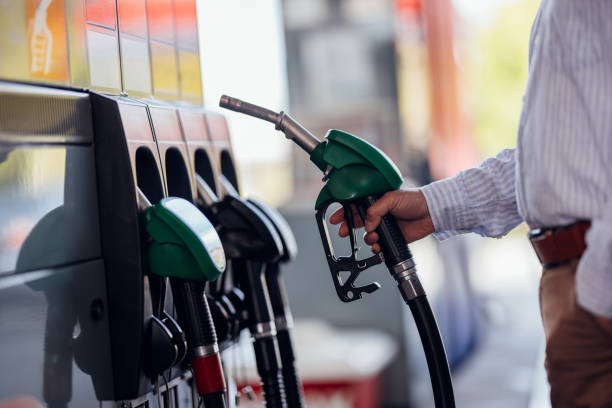
Fleet Telematics Fuel Saving UK - How UK Fleets Cut Fuel Costs and Improve Efficiency
Discover how fleet telematics systems in the UK help reduce fuel consumption, improve driver behaviour, and lower operating costs for haulage, logistics, and commercial vehicle fleets through real-time data and route optimisation.
Introduction
Fuel is one of the largest operating expenses for UK fleet operators, often accounting for up to 30–40% of total fleet costs. Fleet telematics has become a key solution for reducing this burden by providing real-time insights into vehicle usage, driver behaviour, and route efficiency.
Fraser Bond supports UK logistics and transport businesses with fleet cost optimisation advisory, helping integrate telematics data into wider fuel saving and financial planning strategies.
How Fleet Telematics Reduces Fuel Costs
Fleet telematics systems use GPS tracking and vehicle diagnostics to identify fuel waste and inefficiencies.
Key fuel saving functions include:
- Monitoring driver behaviour such as speeding and harsh braking
- Reducing excessive idling time
- Optimising delivery and transport routes
- Detecting fuel inefficiencies in specific vehicles
- Preventing unauthorised vehicle use or fuel theft
By addressing these areas, fleets can significantly reduce fuel consumption.
Real Fuel Savings from Telematics
Studies and industry reports show measurable savings when telematics is properly used:
- 10%–15% reduction in annual fuel costs for most UK fleets
- Up to 20% fuel savings in some fleets through improved efficiency and behaviour monitoring
- Potential 25% reduction in fuel use when combining routing and eco-driving improvements
These savings come from consistent monitoring and driver coaching, not just installation.
Key Ways Telematics Improves Fuel Efficiency
1. Reducing Idling Time
Engine idling wastes fuel without generating productivity. Telematics identifies idle patterns so fleets can correct behaviour and reduce waste.
2. Improving Driving Behaviour
Harsh acceleration, speeding, and aggressive braking increase fuel consumption. Telematics provides driver scorecards to encourage smoother driving.
3. Route Optimisation
Live GPS data helps dispatchers avoid traffic congestion and reduce unnecessary mileage, lowering fuel burn.
4. Vehicle Health Monitoring
Fault detection and maintenance alerts ensure engines run efficiently and avoid excess fuel consumption.
Fuel Cost Impact for UK Fleets
Fuel is typically one of the largest costs in fleet operations:
- Around 30–40% of total operating costs
- Higher impact for long-distance haulage and delivery fleets
- Small improvements in MPG can save thousands per vehicle annually
Even a 5% improvement in fuel efficiency can deliver significant annual savings across a fleet.
Benefits Beyond Fuel Savings
Fleet telematics also improves:
- Vehicle utilisation and scheduling
- Insurance risk profile and premiums
- Maintenance planning and breakdown reduction
- Compliance with UK emissions zones (ULEZ and Clean Air Zones)
- Overall fleet productivity and accountability
Fraser Bond Fleet Advisory Support
Fraser Bond helps UK businesses maximise telematics value through:
- Fleet fuel cost optimisation strategies
- Logistics and haulage financial planning
- Treasury advisory for operational budgeting
- Risk and compliance support for transport businesses
- Integration of telematics insights into cost control systems
This ensures telematics data is not just collected—but actively used to reduce costs.
Call to Action
Fleet telematics is one of the most effective tools for reducing fuel costs and improving efficiency in UK transport operations.
Visit FraserBond.com to explore fleet telematics advisory and fuel saving strategies in the UK, tailored for logistics, haulage, and commercial fleets.