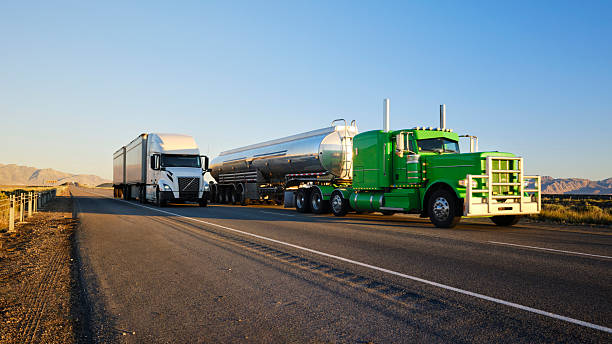
Driver Fuel Efficiency Training UK Haulage - Reduce Fleet Costs and Improve MPG Performance
Discover how UK haulage companies can reduce fuel costs and improve fleet efficiency through professional driver fuel efficiency training, supporting better MPG, safer driving, and lower operational expenses across logistics operations.
Introduction
Fuel is one of the highest costs in UK haulage operations, often accounting for a significant portion of total fleet expenditure. Even small improvements in driving behaviour can deliver major savings across large fleets.
Driver fuel efficiency training in UK haulage focuses on improving driving habits, reducing fuel waste, and increasing miles per gallon (MPG) across HGV and van fleets.
Fraser Bond supports logistics and transport operators with fleet cost optimisation and treasury advisory services, helping businesses improve efficiency and control long-term operating costs.
Why Fuel Efficiency Training Matters in Haulage
In the UK haulage sector, fuel costs are heavily influenced by driver behaviour.
Poor driving habits can lead to:
- Excessive fuel consumption
- Increased vehicle wear and maintenance costs
- Higher emissions and compliance risks
- Reduced profitability per delivery route
Training drivers improves both cost efficiency and fleet performance.
What Driver Fuel Efficiency Training Covers
Professional training programmes typically include:
1. Eco-Driving Techniques
- Smooth acceleration and braking
- Maintaining steady speeds
- Reducing unnecessary idling
2. Route Awareness and Planning
- Choosing fuel-efficient routes
- Avoiding congestion and stop-start traffic
- Reducing unnecessary mileage
3. Vehicle Handling Efficiency
- Optimal gear usage for HGVs and vans
- Managing load weight impact on fuel consumption
- Maintaining correct tyre pressure
4. Telematics-Based Coaching
- Real-time driver scoring systems
- Behaviour monitoring and feedback
- Performance benchmarking across fleets
Fuel Savings from Driver Training
Well-structured fuel efficiency training can deliver measurable results:
- 5% to 15% reduction in fuel consumption across most fleets
- Improved MPG performance per vehicle
- Lower maintenance and brake wear costs
- Reduced accident and insurance claims risk
For large haulage fleets, even a small MPG improvement can save thousands of pounds annually per vehicle.
Link Between Driver Behaviour and Fuel Costs
Key factors affecting fuel consumption include:
- Harsh acceleration and braking
- High-speed motorway driving
- Excessive engine idling
- Poor gear shifting in manual HGVs
- Overloaded or poorly balanced cargo
Addressing these issues is essential for improving fleet fuel efficiency in UK haulage operations.
Role of Telematics in Driver Training
Modern driver training is often supported by telematics systems, which:
- Track fuel usage per journey
- Score driver performance
- Identify inefficient driving patterns
- Provide real-time coaching feedback
- Support fleet-wide benchmarking
This allows haulage companies to continuously improve performance rather than rely on one-off training sessions.
Benefits for UK Haulage Companies
- Reduced diesel costs across fleet operations
- Improved delivery efficiency and scheduling
- Lower vehicle maintenance expenses
- Better compliance with emissions regulations
- Improved driver safety and accountability
These benefits directly improve profitability in competitive logistics markets.
Fraser Bond Advisory Support for Fleet Efficiency
Fraser Bond supports UK haulage operators with:
- Fleet fuel cost reduction strategies
- Driver efficiency and operational performance advisory
- Telematics integration for logistics businesses
- Treasury advisory for transport cost planning
- Long-term fleet optimisation strategies
This ensures training is aligned with broader financial and operational goals.
Call to Action
Driver fuel efficiency training is one of the most effective ways to reduce costs and improve performance in UK haulage operations.
Visit FraserBond.com to explore haulage fleet efficiency and cost-saving advisory services in the UK, tailored for logistics and transport businesses.