Housing Disrepair Claim UK - Tenant Rights and Compensation Guide
Understanding how to make a housing disrepair claim, landlord repair responsibilities and compensation rights for tenants in London and across the UK.
A housing disrepair claim allows tenants to take legal action when their landlord fails to address serious property maintenance problems. Issues such as damp, mould, leaking roofs, faulty heating, plumbing defects and unsafe electrical installations can affect living conditions and may give tenants grounds to seek repairs and compensation.
Fraser Bond provides residential lettings, property management, property compliance guidance and investment advisory services across London. Understanding housing disrepair responsibilities is essential for landlords, tenants and property investors seeking to maintain safe, legally compliant rental accommodation.
What Is a Housing Disrepair Claim?
A housing disrepair claim is a legal claim brought by a tenant against a landlord who has failed to meet applicable repair obligations.
In England, landlords have statutory responsibilities under the Landlord and Tenant Act 1985 and other housing legislation.
A successful claim may result in:
-
Essential property repairs.
-
Compensation for inconvenience and loss of enjoyment.
-
Reimbursement of financial losses.
-
Compensation for damaged belongings.
-
Compensation for injury or illness where legally established.
-
Court orders requiring necessary repairs.
Not every property defect automatically qualifies for compensation. Liability depends on the landlord's legal obligations, the condition of the property and the evidence available.
Common Problems That Can Lead to Housing Disrepair Claims
Damp and Mould
Persistent damp and mould may result from leaks, defective insulation, structural problems or inadequate ventilation.
Landlords must address qualifying hazards and repair defects for which they are legally responsible.
Leaking Roofs and Water Damage
Roof leaks, damaged gutters and defective external walls can cause water penetration and deterioration of internal surfaces.
Broken Heating and Hot Water
Landlords are generally responsible for maintaining installations supplying heating and hot water.
Electrical and Plumbing Defects
Unsafe electrical installations, leaking pipes, blocked drainage systems and defective sanitation facilities may create repair obligations.
Structural Damage
Serious problems involving walls, floors, ceilings, windows and other structural elements may require landlord intervention.
Who Can Make a Housing Disrepair Claim?
Tenants renting from private landlords, housing associations or local councils may be eligible to make a housing disrepair claim.
A claim generally requires evidence that the landlord breached a relevant legal obligation and that the breach caused loss, inconvenience or unsafe living conditions.
The landlord must usually have been made aware of the repair problem and allowed a reasonable opportunity to resolve it.
How to Make a Housing Disrepair Claim
Tenants in England should generally follow these steps:
-
Report the problem: Notify the landlord or letting agent in writing.
-
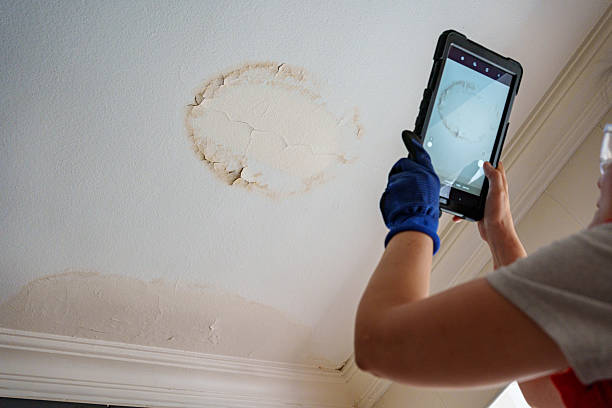
Collect evidence: Keep photographs, videos, repair requests and correspondence.
-
Allow reasonable time: Give the landlord an appropriate opportunity to complete repairs.
-
Contact the council: Report serious hazards to the local authority's environmental health team.
-
Seek legal advice: Consult a housing solicitor if the landlord fails to act.
-
Follow the pre-action procedure: Attempt to resolve the dispute before issuing court proceedings.
Tenants should generally continue paying rent while repairs are outstanding, as withholding rent can create arrears and legal complications.
How Much Compensation Can You Get for Housing Disrepair?
Housing disrepair compensation depends on the seriousness of the problem, how long it continued and its effect on the tenant.
Compensation may cover loss of enjoyment of the property, damaged belongings, additional expenses and proven personal injury.
There is no fixed compensation amount for every housing disrepair claim.
Courts consider the evidence, the landlord's liability and the circumstances of the individual case.
Housing Disrepair Claims Against Council Landlords
Council tenants and housing association residents can pursue complaints and legal remedies when their landlords fail to meet repair obligations.
Awaab's Law introduced specific deadlines for addressing serious damp, mould and emergency hazards in social housing in England from October 2025.
Further protections covering additional hazards are scheduled to take effect on 30 November 2026.
The government has also consulted on extending Awaab's Law to private rented accommodation, but the social housing deadlines should not automatically be treated as applying to private landlords.
Can a Landlord Evict You for Making a Housing Disrepair Claim?
Landlords cannot lawfully evict tenants simply by ignoring the required possession procedures.
In England, Section 21 no-fault eviction was abolished for the reformed private rented sector from 1 May 2026.
Landlords must rely on applicable legal possession grounds and follow the proper court process.
Tenants facing threats or harassment after reporting disrepair should seek specialist housing advice.
Housing Disrepair Claims in London
London tenants may experience housing disrepair involving older residential buildings, converted flats, high-rise developments and poorly maintained rental accommodation.
Common concerns include damp, inadequate heating, roof leaks, defective plumbing and unsafe communal areas.
Landlords in boroughs such as Camden, Westminster, Islington, Hackney, Lambeth and Tower Hamlets must comply with applicable housing repair and safety obligations.
Local councils can investigate serious housing hazards and take enforcement action where appropriate.
How Long Does a Housing Disrepair Claim Take?
The duration depends on the complexity of the defects, the availability of evidence, negotiations and whether court proceedings become necessary.
Straightforward disputes may be resolved through repairs or negotiated settlements, while contested claims can take considerably longer.
Tenants should seek legal advice promptly because limitation periods may affect their entitlement to compensation.
How Fraser Bond Supports Landlords and Property Owners
Fraser Bond provides residential lettings, property management, property sales, property-related compliance guidance and investment advisory services across London.
Effective property management helps landlords identify maintenance problems, coordinate contractors and maintain appropriate repair records.
Landlords who respond promptly to repair requests can reduce the risk of disputes, regulatory enforcement and housing disrepair litigation.
Understanding Housing Disrepair Rights and Responsibilities
Housing disrepair claims provide an important legal remedy when landlords fail to meet their repair obligations.
Tenants should report defects promptly, preserve supporting evidence and obtain specialist advice where necessary.
For landlords, regular property inspections, effective maintenance procedures and compliance with housing legislation are essential for protecting tenants and maintaining property value.
For professional assistance with London residential lettings, property maintenance coordination, landlord compliance and investment property management, visit FraserBond.com to explore expert property advisory services.