Planning Permission Investment Property UK - How Investors Can Find Development Opportunities
Explore planning permission investment property opportunities across the UK, including how planning permission can affect property value, what investors should check before buying, development risks, and how Fraser Bond can support property investment and development decisions.
What Is a Planning Permission Investment Property?
A planning permission investment property is a property or development site where planning consent has already been granted for a specific form of development.
This could include:
-
A house with permission for an extension
-
A property approved for conversion into multiple homes
-
Commercial premises with permission for residential use
-
Land with permission for new housing
-
A redevelopment site with consent for demolition and replacement
-
A property with permission to create additional floorspace or dwellings
-
A mixed-use development with residential and commercial elements
For investors, planning permission can provide greater clarity about what can potentially be developed compared with a site where the development idea exists only as planning potential.
However, planning permission does not automatically make a property profitable. The permission must be assessed alongside the purchase price, construction costs, professional fees, financing, taxes, market values and potential sales or rental income.
In England, development proposals are assessed within the national planning framework and local planning policies. The National Planning Policy Framework currently in force was published in August 2026.
Why Planning Permission Can Change Property Investment Value
Planning can change the economic potential of a property.
For example, a building worth £500,000 as an existing property may have permission to create four apartments. The value of the opportunity cannot simply be calculated by adding the expected sale values of four apartments together.
The investor also needs to account for:
-
Purchase costs
-
Stamp Duty Land Tax where applicable
-
Planning and professional fees
-
Construction costs
-
Finance costs
-
Building regulations
-
Contractor costs
-
Utilities and infrastructure
-
Section 106 obligations where applicable
-
Community Infrastructure Levy where applicable
-
Marketing and sales costs
-
Contingency
-
Expected selling or rental values
The difference between the property's existing value and its potential value after development can create what investors often describe as planning uplift.
Fraser Bond can help investors assess the wider property opportunity rather than focusing solely on the existence of planning permission.
Types of Planning Permission Investment Properties
Not all planning-approved properties offer the same investment opportunity.
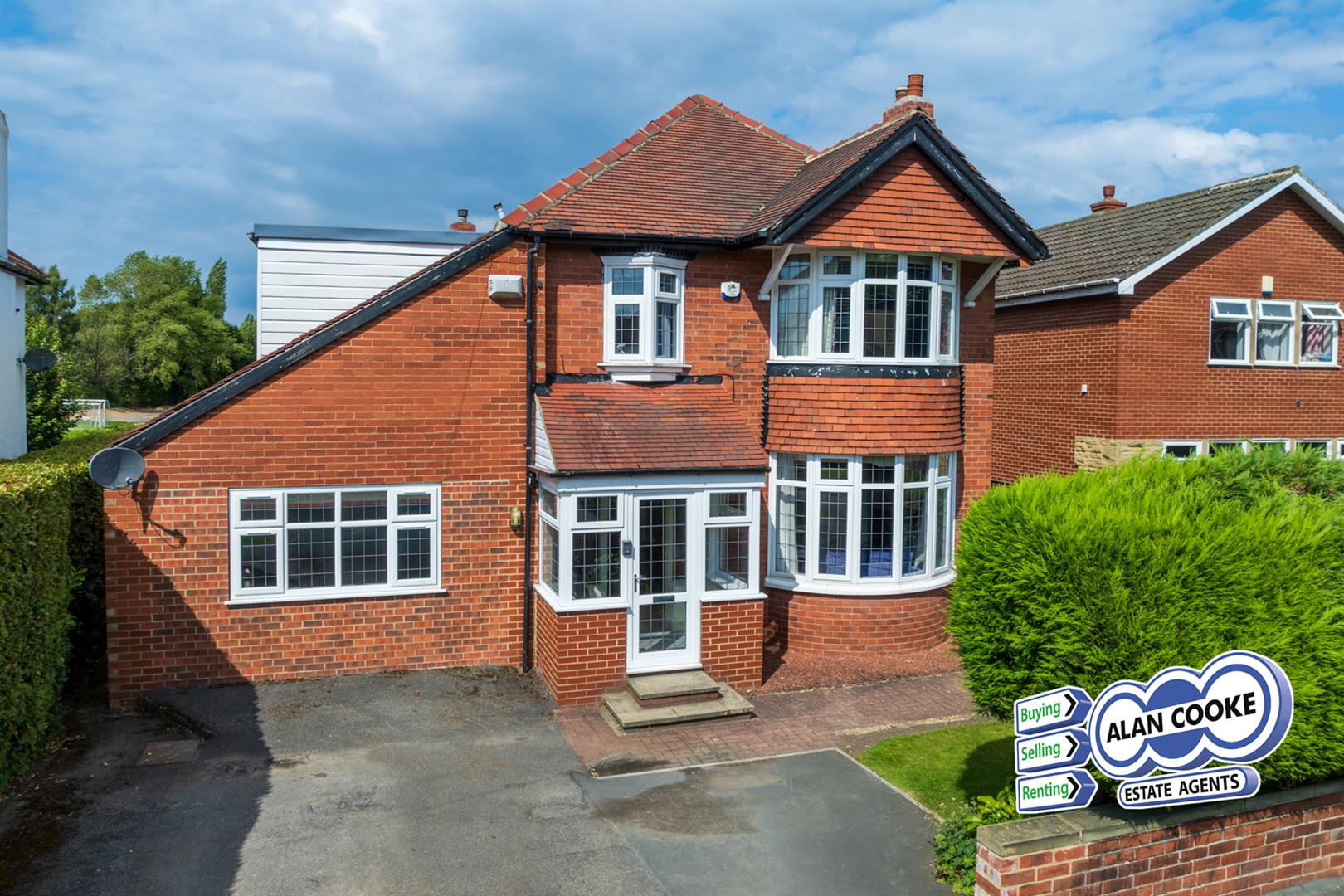
Houses With Extension Planning Permission
A house may already have approval for an extension, loft conversion or additional floorspace.
This can appeal to investors who want to purchase the property, complete the approved works and either refinance, sell or retain it as a rental property.
London properties with larger gardens, side plots, unused garages and underused loft space can sometimes attract attention because additional accommodation may have development potential.
The important question is whether the cost of implementing the permission makes financial sense.
Properties Approved for Subdivision
Some houses and larger buildings have permission to create multiple residential units.
For example, an investor could acquire a large property with consent to convert it into several flats.
The appraisal should consider the expected value of each completed unit against the full cost of acquisition, conversion and professional services.
Unit sizes, layouts, lease arrangements, service charges and local rental demand can all affect the eventual investment outcome.
Commercial-to-Residential Property
Commercial buildings with permission for residential conversion can offer another route into development.
Potential examples include:
-
Offices
-
Shops
-
Former commercial premises
-
Upper floors above retail units
-
Redundant business premises
Some changes of use may fall under permitted development rights and prior approval rather than requiring a conventional full planning application. Current planning fee guidance in England includes specific prior approval categories for certain commercial-to-residential conversions.
Investors should therefore establish exactly what consent applies to the property rather than assuming every conversion has identical planning requirements.
Land With Residential Planning Permission
Land with planning permission for housing is another major category.
An investor may purchase:
-
Small infill sites
-
Brownfield land
-
Former commercial sites
-
Garden development sites
-
Larger residential development land
-
Sites with outline permission
-
Sites with full planning permission
The difference between outline permission and detailed permission is important when assessing how much development risk remains.
Full Planning Permission vs Outline Permission
Investors should establish exactly what has been approved.
Full planning permission can provide detailed consent for a defined development proposal.
Outline planning permission generally establishes the principle of development while leaving certain details to be approved later through reserved matters.
That distinction can have a significant effect on:
-
Development timelines
-
Design flexibility
-
Professional fees
-
Remaining planning risk
-
Financing
-
Exit strategy
-
Property valuation
A property marketed as having “planning permission” should therefore be investigated carefully before an investor assumes that construction can immediately begin.
How to Check Planning Permission Before Buying
Before committing to a planning permission investment property, review the relevant local authority planning records.
Look for:
-
Planning application number
-
Decision notice
-
Approved drawings
-
Site plans
-
Design and access statements where applicable
-
Planning conditions
-
Section 106 agreements
-
Reserved matters requirements
-
Discharge of conditions
-
Enforcement history
-
Any subsequent amendments
The decision notice is particularly important because the headline description of the permission may not tell the whole story.
A permission could be subject to conditions that need to be discharged before certain works can start.
Planning Conditions Can Affect the Investment
Planning permission is rarely just a simple “yes”.
Conditions may relate to:
-
Materials
-
Landscaping
-
Drainage
-
Highways
-
Access
-
Ecology
-
Contamination
-
Construction management
-
Archaeology
-
Noise
-
Design
-
Affordable housing
-
Biodiversity requirements
An investor should identify which conditions have already been discharged and which remain outstanding.
A development that looks straightforward from the estate agent's description may require significant additional work before construction can begin.
Calculate the Development Appraisal
A planning-approved property should be assessed using a realistic development appraisal.
For example, imagine an illustrative property is available for £650,000 with permission to create four apartments.
Suppose the projected completed value is £1.2 million.
The investor might then estimate:
-
Purchase price: £650,000
-
Construction and conversion: £300,000
-
Professional fees: £60,000
-
Finance and holding costs: £55,000
-
Planning, surveys and other costs: £35,000
-
Contingency: £40,000
This produces total illustrative costs of £1.14 million against an illustrative completed value of £1.2 million.
The apparent £550,000 difference between purchase price and completed value therefore does not represent profit.
After accounting for the development costs, the illustrative margin would be only £60,000 before considering any additional tax or selling costs not included in the example.
This is why Fraser Bond recommends looking beyond the words “planning permission granted” and analysing the complete investment proposition.
Consider the Existing Property Value
Investors should establish what the property is worth in its current condition.
A development opportunity may appear attractive because the proposed completed value is high, but the purchase price may already reflect much of the planning value.
For example, if comparable properties without planning permission sell for £500,000 but a similar property with development consent is being marketed for £650,000, the investor is effectively paying for some of the anticipated development value upfront.
The question becomes whether sufficient value remains after development costs and risk.
Check Comparable Property Values
Comparable evidence can help investors estimate the potential exit value.
Consider:
-
Recently sold properties
-
Similar property sizes
-
Number of bedrooms
-
Location
-
New-build premiums
-
Specification
-
Floor level
-
Parking
-
Outdoor space
-
Lease length
-
Service charges
-
Local rental values
London investors should compare evidence within the relevant borough and neighbourhood rather than relying solely on broad London averages.
The same planning permission can produce very different investment outcomes in areas such as Kensington, Croydon, Wembley, Stratford, Tottenham or outer London locations.
Assess Rental Potential
A planning investment property does not necessarily need to be sold after development.
An investor may instead create additional units and retain them as rental properties.
Before choosing this strategy, assess:
-
Local rental demand
-
Expected rent
-
Tenant profile
-
Vacancy risk
-
Management costs
-
Service charges
-
Maintenance
-
Insurance
-
Compliance requirements
-
Financing costs
-
Long-term capital expenditure
For larger developments, investors should also consider whether the completed property will attract professional tenants, families, students or other target groups.
Fraser Bond can support landlords with property management, lettings, maintenance coordination and wider operational property services after a development has been completed.
Investigate the Planning History
A planning permission should not be considered in isolation.
Look at the property's wider planning history.
Previous applications may reveal:
-
Earlier refused proposals
-
Changes in design
-
Enforcement matters
-
Previous owners' development plans
-
Applications for extensions
-
Variations to existing permissions
-
Appeals
-
Conditions that proved difficult to satisfy
This can provide useful context when assessing the practical development risk.
Check Whether the Permission Is Still Usable
Investors should verify the status of the permission before exchanging contracts.
Depending on the circumstances, questions may include:
-
Has the permission expired?
-
Has development lawfully commenced?
-
Have pre-commencement conditions been discharged?
-
Has the permission been amended?
-
Has a replacement application been approved?
-
Is there a Section 106 agreement?
-
Are there outstanding obligations?
An investor should obtain appropriate legal and planning advice where the position is unclear.
Planning Permission Does Not Remove Development Risk
Even where planning permission has been granted, investors can still face substantial risks.
Construction costs can increase.
Interest rates and finance terms can change.
Property values can fall.
Contractors can experience delays.
Materials may become more expensive.
A planning condition may take longer to discharge than expected.
The local rental market may also change before the completed property reaches the market.
For this reason, a sensible investment appraisal should include contingency and sensitivity testing.
Planning Fees and Professional Costs
Planning permission is only one part of the cost structure.
Depending on the project, investors may need:
-
Planning consultants
-
Architects
-
Structural engineers
-
Quantity surveyors
-
Building control professionals
-
Transport consultants
-
Ecology consultants
-
Drainage specialists
-
Legal advisers
-
Surveyors
-
Project managers
Planning application fees also vary according to the type and scale of development.
In England, planning fees were indexed from 1 April 2026, while the government has also introduced a new national default fee framework and local fee-setting reforms.
The exact costs should therefore be confirmed for the specific project and local authority.
Planning Permission Investment Opportunities in London
London remains an important market for investors interested in properties where planning can create additional development value.
Potential opportunities can include:
-
Houses with extension consent
-
Large properties suitable for subdivision
-
Commercial-to-residential conversions
-
Small infill sites
-
Brownfield redevelopment
-
Properties with existing planning consent
-
Mixed-use buildings
-
Development sites close to transport infrastructure
However, London planning can be highly site-specific.
Local policies, conservation areas, listed-building restrictions, design requirements, density policies, transport considerations and neighbouring properties can all affect development proposals.
Investors should therefore assess the individual site rather than assuming that a successful application nearby guarantees the same result.
Planning Permission Investment Opportunities Across the UK
Outside London, investors may find different types of development opportunities.
Major cities such as Manchester, Birmingham, Leeds, Bristol, Glasgow and Edinburgh have different planning systems, property values, rental markets and development economics.
England uses the English planning framework and SDLT, while Scotland operates under its own planning and property tax arrangements.
The most important consideration is whether the planning permission creates sufficient value relative to the acquisition and development costs.
A cheaper property does not automatically represent a better investment if its completed value and rental demand are weak.
What Investors Should Ask Before Buying
Before purchasing a planning permission investment property, ask:
-
What exactly has been approved?
-
Is it full or outline planning permission?
-
Are there outstanding conditions?
-
Has the permission been implemented?
-
What is the existing property worth?
-
What is the expected completed value?
-
What are realistic construction costs?
-
Has a professional development appraisal been completed?
-
What finance is available?
-
What are the expected holding costs?
-
Are there Section 106 or CIL obligations?
-
Are there leasehold or title restrictions?
-
What are the local rental values?
-
What are comparable completed properties selling for?
-
What is the exit strategy?
-
What happens if the development takes longer than expected?
These questions can reveal whether the planning permission represents genuine development value or whether most of the value has already been priced into the property.
Planning Permission and Property Refurbishment
Some investors combine planning opportunities with refurbishment.
For example, a property may have permission to create additional accommodation while also requiring:
-
New kitchens
-
New bathrooms
-
Rewiring
-
Plumbing
-
Roofing
-
Windows
-
Insulation
-
Decoration
-
Flooring
-
External repairs
The refurbishment specification should be included in the development appraisal from the beginning.
Fraser Bond can assist property owners and investors with renovation coordination, building works, contractor management, repairs and wider property support.
How Fraser Bond Can Support Planning Property Investors
A planning permission investment often involves more than finding and buying a property.
Fraser Bond can support investors with prop