


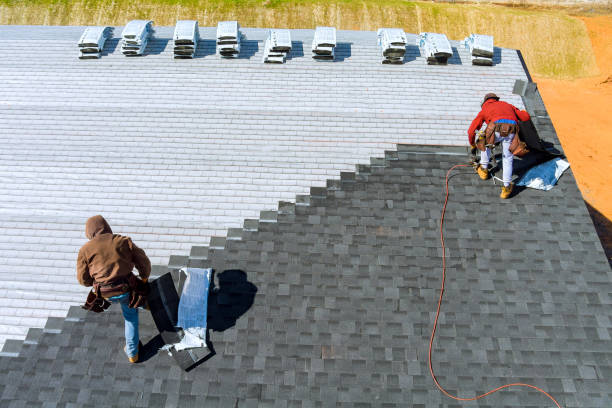
Roof Installation Services - Professional Roofing Installation and Replacement in the UK
Roof installation services are essential for constructing, refurbishing and protecting residential and commercial properties. Whether installing a new pitched roof on a house, replacing an ageing roofing system or waterproofing a modern flat roof, professional installation helps ensure a building remains weather-resistant, structurally sound and suitable for long-term use.
Across London and the wider UK, roofing requirements vary according to building age, architectural design, roof construction and intended use. Victorian terraces, Georgian townhouses, modern apartments, commercial buildings and new-build developments can all require different roofing materials and installation methods.
Professional roof installation services include slate and tile roofing, flat roof systems, metal roofing, roof insulation, leadwork, flashing, guttering and complete roof replacement.
Fraser Bond supports homeowners, landlords, freeholders, property investors and developers with property management, sales, lettings and real estate advisory services through FraserBond.com.
What Are Roof Installation Services?
Roof installation involves constructing or replacing the roofing components that protect a building from rain, wind and other environmental conditions.
A complete roofing system can include structural supports, underlay, insulation, battens, waterproof membranes, roof coverings, flashing and drainage components.
The precise construction depends on whether the roof is pitched, flat or formed using a specialist system.
Professional contractors should install roofing materials according to the approved design, manufacturer specifications and applicable building standards.
Correct installation is important because defects in roofing details can cause leaks, condensation, premature material failure and expensive repairs.
Professional Roof Installation Services
Roofing contractors provide installation services for different building types and construction requirements.
Typical projects include:
-
New pitched roof installation.
-
Slate and tile roof installation.
-
Flat roof waterproofing systems.
-
EPDM rubber roofing installation.
-
Single ply and reinforced bituminous roofing.
-
Metal roof installation.
-
Complete roof replacement and re-roofing.
-
Roof insulation and ventilation improvements.
-
Lead flashing and roof valley installation.
-
Rooflight, fascia, soffit and guttering work.
The most appropriate roofing system depends on the building's design, structural capacity, exposure and maintenance requirements.
New Roof Installation
New roof installation is commonly required for new-build houses, residential extensions, commercial developments and major refurbishment projects.
The work begins with assessing the roof design and identifying suitable materials.
Contractors then install the specified roofing components, ensuring that waterproofing, ventilation and drainage details are correctly formed.
For pitched roofs, installation may involve structural timbers or trusses, underlay, battens and the final roof covering.
For flat roofs, the system may include a supporting deck, vapour control layer, insulation and waterproof membrane.
Coordination between roofing contractors, designers and structural engineers is important where the work involves new construction.
Pitched Roof Installation Services
Pitched roofs are widely used on residential properties throughout the UK.
Their sloping construction helps direct rainwater towards gutters and downpipes.
Common pitched roofing materials include natural slate, clay tiles and concrete tiles.
Installation requires suitable structural support, correct roof pitch and carefully detailed junctions.
The choice of covering should consider the building's architectural character and the weight the structure can safely support.
Pitched roofing systems also require appropriate ventilation or condensation-control measures.
Slate Roof Installation
Natural slate is commonly associated with traditional British architecture.
It is particularly suitable for many Georgian, Victorian and Edwardian buildings, although it is also used on contemporary properties.
Slate roof installation involves preparing the roof structure, fitting appropriate underlay and battens, and securing individual slates.
The specification should account for roof pitch, exposure and slate dimensions.
High-quality slate can provide a long service life when correctly installed and maintained.
For period properties, matching the appearance of existing or neighbouring roofs may be an important consideration.
Tile Roof Installation
Clay and concrete roof tiles are popular choices for residential roofing.
Clay tiles are frequently selected for their traditional appearance, while concrete tiles offer a range of profiles and finishes.
Installation involves preparing the roof structure, fixing battens and laying tiles in accordance with the relevant system specification.
Ridge, hip, valley and roof-edge details must also be completed correctly.
The structural capacity of the roof should be assessed before replacing an existing covering with a significantly heavier material.
Flat Roof Installation Services
Flat roofs are commonly installed on residential extensions, apartment buildings, garages and commercial properties.
Although described as flat, these roofs should generally incorporate appropriate falls to direct water towards drainage outlets.
A flat roof system typically consists of a supporting deck, insulation and waterproof covering.
The design must also consider condensation control, drainage and the compatibility of materials.
Professional installation is particularly important around rooflights, parapets and other penetrations.
EPDM Rubber Roof Installation
EPDM is a synthetic rubber membrane used for flat and low-slope roofing.
It is commonly installed on residential extensions, garages and some commercial roofs.
The membrane is designed to provide a flexible waterproof covering.
Installation may involve bonding or mechanically securing the material, depending on the approved system.
Roof edges, drainage outlets and penetrations require careful detailing to maintain weather resistance.
The contractor should follow the manufacturer's installation requirements.
Single Ply Roof Installation
Single ply roofing systems use flexible waterproof membranes, commonly manufactured from materials such as PVC or TPO.
These systems are frequently installed on commercial buildings, apartment developments and modern residential projects.
Depending on the product and design, membranes may be mechanically fixed, adhered or installed using another approved method.
Correct joint formation and detailing are essential.
Single ply roof installation should be undertaken by contractors trained and competent in the specified system.
Reinforced Bituminous Roof Installation
Reinforced bituminous membranes are widely used for flat roof waterproofing.
They can be installed as part of multi-layer systems designed to provide durable protection against water penetration.
Different products use different installation methods, including torch-applied, self-adhesive and other approved systems.
Where hot works are involved, contractors must apply appropriate fire-safety precautions.
The roof design should address drainage, insulation and moisture control alongside the waterproofing specification.
Metal Roof Installation
Metal roofing is used on residential, commercial and industrial buildings.
Common materials include steel, aluminium and zinc.
Metal roof installation may involve profiled sheets, standing seam systems or other specialist coverings.
The supporting structure, fixing arrangement and allowance for thermal movement must be appropriate to the selected system.
Metal roofing can be particularly suitable for contemporary architectural designs and larger commercial roofs.
Roof Installation for Residential Properties
Residential roofing projects range from replacing a small extension roof to installing a complete roof on a new house.
Homeowners should consider material appearance, expected maintenance, insulation and the building's existing construction.
Traditional houses may benefit from roofing materials that match their original architectural character.
Modern properties may incorporate rooflights, contemporary waterproofing systems and integrated insulation.
Professional assessment helps establish which installation method is suitable.
Roof Installation for Commercial Buildings
Commercial roofing projects can involve extensive roof areas, specialist drainage systems and rooftop equipment.
Offices, warehouses, retail premises and mixed-use developments may require flat roofs, metal roofing or other engineered systems.
Installation should account for access, structural loading, insulation, drainage and future maintenance.
Larger projects may also require detailed quality assurance procedures and coordination with other construction trades.
Roof Replacement and Re-Roofing
Complete roof replacement is often necessary where the existing covering has deteriorated beyond economical repair.
Re-roofing can involve removing old materials, inspecting the supporting structure and installing a new roofing system.
The project may also provide an opportunity to improve insulation, ventilation and roof drainage.
However, replacing the covering alone will not resolve underlying structural or moisture problems.
A suitable inspection should establish the condition of the entire roof before work begins.
Roof Insulation and Energy Efficiency
Roof installation provides an opportunity to improve a building's thermal performance.
Insulation helps reduce heat loss through the roof and can contribute to lower energy consumption.
The correct insulation arrangement depends on whether the roof uses a warm roof, cold roof or another approved construction.
Moisture management is equally important.
Poorly designed insulation or ventilation can create condensation problems even when the external roofing remains watertight.
Where substantial roofing work is undertaken, Building Regulations may require improvements to the roof's thermal performance.
Lead Flashing and Roof Weatherproofing
Lead flashing is commonly installed around chimney stacks, adjoining walls, roof valleys and other vulnerable junctions.
It helps direct rainwater away from areas where different roofing materials meet.
Correct installation requires appropriate sheet sizing, fixing and allowance for thermal movement.
Specialist leadworkers may be needed for complex installations involving parapets, dormers and traditional roofing details.
Alternative flashing systems may also be suitable where specified for the particular roof construction.
Guttering and Roof Drainage Installation
Roof installation should include appropriate rainwater drainage arrangements.
Gutters and downpipes collect water from the roof and direct it towards suitable drainage outlets.
Poorly installed or undersized drainage systems can cause overflowing water, damp and deterioration of external walls.
Guttering materials include UPVC, aluminium, steel and cast iron.
The choice should consider roof area, building design, architectural appearance and maintenance requirements.
Roof Installation for Extensions
Residential extensions frequently require new pitched or flat roofing systems.
The roof should be designed to connect correctly with the existing building.
Junctions between old and new construction are particularly important because inadequate flashing or waterproofing can lead to persistent leaks.
Rooflights, parapets and drainage outlets may introduce additional installation requirements.
Where the extension adjoins a neighbouring property, party wall considerations may also be relevant.
Roof Installation for Loft Conversions
Loft conversions can involve substantial changes to an existing roof.
Projects may include dormer construction, rooflight installation, structural reinforcement and replacement roof coverings.
Roofing work should be coordinated with structural engineering, insulation and ventilation design.
Planning permission and Building Regulations approval are separate considerations.
For properties in conservation areas, the design and visibility of roof alterations may affect what is permitted.
Roof Installation for Period Properties
Traditional buildings often require roofing materials and installation methods that respect their original construction.
Georgian, Victorian and Edwardian properties may contain natural slate, clay tiles, lead valleys and historic chimney details.
Replacing these materials with unsuitable alternatives can affect both appearance and building performance.
Specialist roofing contractors should consider retaining sound original materials where practical.
For listed buildings, alterations affecting historic character may require listed building consent.
Roof Installation Services in London
London contains a diverse range of buildings requiring specialist roofing installation.
In Chelsea, Kensington, Fulham and Hammersmith, traditional townhouses and residential extensions commonly require slate roofing, tile installation and flat roof waterproofing.
Hampstead, Highgate and Islington contain period homes where traditional materials and conservation considerations may influence roof replacement.
Across East London, South London and newer development areas, roofing projects can involve modern apartment buildings, commercial premises and contemporary roof systems.
The appropriate installation method should always reflect the individual building's construction and condition.
Roof Installation for Landlords
Landlords may need roof installation services when an existing roof becomes uneconomical to repair.
A deteriorated roof can lead to recurring leaks, internal damage and disruption for tenants.
Replacing the roofing system can provide an opportunity to address underlying defects and improve insulation.
Professional property management can assist with arranging inspections, obtaining quotations and coordinating the work.
For landlords with several properties, planned roof replacement can support long-term maintenance budgeting.
Roof Installation for Apartment Buildings
Apartment blocks may require extensive roof replacement or waterproofing refurbishment.
Communal roofs can involve complex drainage systems, rooftop equipment and multiple roof penetrations.
Responsibility for the work depends on the building's ownership and lease arrangements.
Freeholders, Residents Management Companies and Right to Manage companies may need to coordinate professional surveys, contractor procurement and major works.
Where costs are recovered through service charges, applicable lease provisions and consultation requirements should be considered.
Roof Installation for Property Developers
Roof installation is an important part of new-build construction and property redevelopment.
Developers must consider roofing materials, structural requirements, insulation, drainage and compliance at the design stage.
Roofing specifications can also affect construction costs, project programmes and long-term maintenance obligations.
For refurbishment projects, early inspections can identify defects in existing structures before installation begins.
Coordinating roofing contractors with architects, engineers and other construction professionals can help reduce delays and unexpected costs.
Roof Installation Costs in the UK
The cost of roof installation depends on the property, roof area, materials, structural requirements and access arrangements.
A small flat roof on a residential extension will generally involve a different level of expenditure from replacing a large pitched roof.
Natural slate, specialist metal roofing and complex leadwork may require higher material or labour expenditure than simpler roofing systems.
Scaffolding, insulation, structural repairs and waste disposal can also affect the final cost.
Property owners should obtain detailed quotations based on an appropriate survey and agreed specification.
Roof Installation and Building Regulations
New roofing systems must comply with applicable Building Regulations.
The relevant requirements can include structural stability, fire performance, weather resistance, insulation and drainage.
Substantial replacement of existing roof coverings may also require Building Regulations approval, depending on the scope of work and any changes to materials or performance.
Changing from slate to heavier tiles, for example, can require assessment of the supporting structure.
Owners should establish the applicable building control arrangements before work begins.
Roof Installation and Planning Permission
Many straightforward roof-covering replacements do not require planning permission where the external appearance is not materially changed.
However, new roof structures, extensions, dormers and substantial alterations can be subject to planning controls.
Additional restrictions may apply to listed buildings and properties in conservation areas.
The planning position also differs between individual houses and buildings containing flats.
Professional advice can help establish whether permission or consent is required.
Choosing Roof Installation Contractors
Selecting a competent roofing contractor is essential for achieving a durable installation.
Experience with the proposed roofing material and system should be a priority.
A contractor experienced in traditional slate roofing may not necessarily specialise in complex commercial waterproofing systems.
A written quotation should describe the scope of work, materials, insulation, drainage, access arrangements and any exclusions.
Property owners should also check relevant insurance, warranties and responsibilities for compliance docume
There is probably a Fraser Bond team for it.
Lettings & management
Finding tenants, running tenancies, and holding the compliance paperwork so you never have to look for it.
Investment & portfolio
Buying well, holding sensibly, and knowing when a property has stopped earning its place.
Commercial property
Offices, retail and mixed use — acquisition, lettings, lease advice and building management.
Professional services
Valuation, lease consultancy, building consultancy and expert advice when a decision needs evidence behind it.
You are one message away from an answer.
Send it to us and get a straight answer.
Describe the property and the problem. We will tell you what we would do, what it should cost, and if we are not the right people, who is.
- Replies the same working day
- The person who answers is the person who handles it
- No fee, and no obligation to instruct us
See everything we are instructed on.
Sales and lettings across Prime Central London and the wider UK, with the same team behind every listing.
- Residential and commercial in one search
- Filter by borough, budget and size
- Register once and we will send matches first
Other insights you may find useful.
 Property Maintenance & Repairs
Cost of Walk-In Shower Installation – UK Prices, Labour and Installation Guide
Read → Real Estate Finance & Funding
Education Loans for MBA Students UK
Read → Property Recruitment & Real Estate Jobs
Receptionist Jobs London - Be the First Point of Professional Excellence with Fraser Bond
Read → Residential Property Services in London
Properties to Rent in York Terrace East - London NW1
Read → Property Recruitment & Real Estate Jobs
Revenue Analyst Jobs in London - Data-Driven Roles Optimising Property and Hospitality Per...
Read → Property & Real Estate Services