Small Development Sites UK - How to Find and Assess Development Opportunities
Explore small development sites UK investors and developers can consider, including infill plots, brownfield land, garden development, planning potential, development appraisals and practical due diligence with Fraser Bond.
What Are Small Development Sites in the UK?
Small development sites are relatively compact pieces of land or existing properties that can potentially support a limited-scale development.
They can range from a single residential plot to a small scheme containing several houses or apartments.
Typical examples include:
-
Backland development plots
-
Garden development sites
-
Garage sites
-
Infill plots
-
Small brownfield sites
-
Former commercial premises
-
Vacant buildings
-
Small industrial sites
-
Redundant car parks
-
Properties suitable for subdivision
-
Buildings suitable for conversion
-
Sites with existing planning permission
Small sites can appeal to private developers, SME housebuilders and property investors because the overall project can be smaller than a major development scheme.
However, a small site still needs proper planning, financial and technical assessment.
Why Developers Look for Small Development Sites UK
Small development sites can provide an alternative to purchasing large development land.
A developer may be able to focus on a limited number of homes while retaining greater control over the project.
Potential advantages can include:
-
Lower overall acquisition costs
-
Smaller construction programmes
-
Potentially simpler development management
-
Opportunities in established residential areas
-
Ability to target local housing demand
-
Opportunities to reuse underutilised land
-
Potential for phased or incremental development
-
Greater suitability for smaller development businesses
The economics vary significantly between sites.
A small plot in London, for example, can have a very different acquisition price, construction cost and completed value from a similar-sized site in Manchester, Birmingham, Leeds or Liverpool.
Types of Small Development Sites
Not every small development opportunity looks like a conventional plot of land.
Infill Development Sites
Infill sites are often located between or behind existing buildings.
Examples include:
-
Gaps between houses
-
Vacant urban plots
-
Former access areas
-
Underused commercial land
-
Redundant pieces of land within settlements
The surrounding development can provide useful context when considering design, density, access and local character.
Garden Development Sites
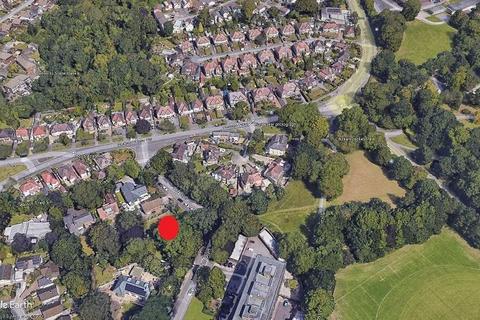
Large gardens can sometimes provide opportunities for additional housing.
However, garden development is highly site-specific.
Issues can include:
-
Access
-
Privacy
-
Neighbouring properties
-
Trees
-
Drainage
-
Parking
-
Local design policies
-
Plot separation
-
Protected designations
-
Character of the surrounding area
The fact that a garden is large does not automatically mean that a separate dwelling can be built on it.
Garage and Parking Sites
Redundant garages, parking areas and service yards can sometimes be investigated for alternative uses.
Their location and access can make them interesting to developers, particularly where surrounding land is already developed.
Small Brownfield Sites
Previously developed land can include small vacant or underused sites within urban areas.
The current National Planning Policy Framework for England, published on 17 August 2026, provides the national planning framework for plan-making and decisions on development proposals.
Brownfield status can support a development case, but it does not remove the need to consider planning policy, design, access, environmental constraints and infrastructure.
Conversion Opportunities
A small development site may involve an existing building rather than vacant land.
Potential projects include:
-
Office-to-residential conversion
-
Shop-to-residential conversion
-
House subdivision
-
Flat conversion
-
Commercial refurbishment
-
Mixed-use conversion
The lawful existing use, planning restrictions and physical suitability of the building should be established before an acquisition is made.
Where to Find Small Development Sites UK
Finding small sites often requires more than searching mainstream property listings.
Property Agents
Specialist land and development agents can market small plots, properties with planning permission and buildings with development potential.
Local Planning Portals
Planning applications can reveal properties where owners have previously explored additional dwellings, extensions, conversions or redevelopment.
Searching planning records can also provide useful information about nearby development proposals.
Local Plans
Local plans identify how authorities intend land to be used and where development may be appropriate.
Government guidance published in 2026 provides a framework for assessing and allocating sites for development, including factors relevant to suitability, availability and achievability.
Brownfield Registers
Local authority brownfield information can help identify previously developed land that may have housing potential.
Property Auctions
Auctions can contain:
-
Vacant buildings
-
Small plots
-
Garages
-
Former commercial properties
-
Properties requiring refurbishment
-
Sites with planning permission
Auction purchases require particularly careful due diligence because contractual deadlines can be short.
Off-Market Opportunities
Some of the most interesting small sites may never be widely advertised.
Direct approaches to owners of underused land, garages, commercial properties and large residential plots can uncover potential opportunities.
Small Sites With Planning Permission
A small development site with planning permission can reduce some of the uncertainty associated with an unconsented site.
However, buyers should still examine the permission carefully.
Check:
-
Planning decision notice
-
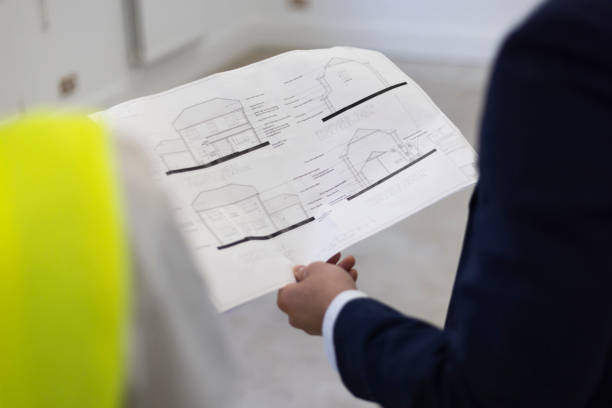
Approved drawings
-
Planning conditions
-
Discharge of conditions
-
Section 106 obligations
-
CIL liability
-
Access arrangements
-
Landscaping requirements
-
Drainage requirements
-
Ecology conditions
-
Expiry or implementation requirements
A site advertised as having “planning permission” should not be valued solely on the headline description.
The actual consent determines what can be built.
Small Sites Without Planning Permission
Unconsented sites can sometimes offer greater potential for value creation, but they also carry greater planning uncertainty.
Potential opportunities might include:
-
Large residential gardens
-
Underused commercial yards
-
Brownfield plots
-
Former garages
-
Redundant buildings
-
Small industrial sites
-
Infill land
-
Land adjoining existing development
The developer should establish why the site might be suitable before assigning a development value to it.
Useful questions include:
-
Is the site inside an existing settlement?
-
What does the local plan say?
-
Is surrounding land already developed?
-
Is there suitable access?
-
Can services reach the site?
-
Are there flood risks?
-
Are there protected trees?
-
Is the site contaminated?
-
Is the site within a conservation area?
-
Are there heritage constraints?
-
What development density is realistic?
Planning Potential Is Not Planning Permission
This distinction is particularly important when purchasing small development sites.
A property can have development potential without having an approved planning scheme.
For example, a large rear garden might appear capable of accommodating another house, but planning could be affected by access, design, neighbouring amenity, trees, drainage or local policy.
Similarly, a commercial building may look suitable for residential conversion but may not meet the requirements of the relevant permitted development rights.
A buyer should therefore avoid paying a full development value for a site based solely on an untested assumption.
Small Development Sites and Permitted Development
Some smaller projects may benefit from permitted development rights where the relevant conditions are satisfied.
Potential areas can include:
-
Certain residential extensions
-
Some commercial-to-residential changes
-
Agricultural building conversions
-
Certain upward extensions
-
Other specified changes of use
Prior approval may still be required.
Article 4 directions can also remove specified permitted development rights in particular locations.
The exact planning route should therefore be established before the project is appraised.
Small Development Sites and Planning Fees
Planning costs form part of the development appraisal.
For example, current England planning fee guidance from 1 April 2026 provides different fees depending on the type and scale of application. For residential applications creating fewer than 10 dwellings, the fee for a full application is £610 per dwelling under the stated fee structure, while outline applications on sites under 0.5 hectares are charged at £610 per 0.1 hectare or part thereof.
These are only application fees.
A small development can also require expenditure on:
-
Architect fees
-
Planning consultants
-
Structural engineers
-
Transport consultants
-
Drainage consultants
-
Ecology surveys
-
Tree surveys
-
Environmental assessments
-
Legal advice
-
Building control
-
Quantity surveying
These costs should be included in the appraisal from the beginning.
How to Assess a Small Development Site
A useful assessment should cover four broad areas: planning, physical suitability, financial viability and market demand.
Planning Assessment
Review:
-
Local plan policies
-
Planning history
-
Site allocations
-
Development boundaries
-
Conservation areas
-
Listed buildings
-
Article 4 directions
-
Permitted development rights
-
Relevant supplementary planning documents
Physical Assessment
Investigate:
-
Site access
-
Ground conditions
-
Drainage
-
Utilities
-
Flood risk
-
Trees
-
Ecology
-
Contamination
-
Topography
-
Existing structures
Financial Assessment
Calculate:
-
Acquisition price
-
SDLT where applicable
-
Legal costs
-
Planning fees
-
Professional fees
-
Construction costs
-
Finance
-
Infrastructure
-
CIL
-
Section 106 contributions
-
Marketing
-
Sales costs
-
Contingency
-
Developer return
Market Assessment
Research:
-
Comparable sales
-
Local rents
-
Buyer demand
-
Tenant demand
-
Competing developments
-
New-build prices
-
Likely selling period
Development Appraisal for Small Sites
A small site can have a high headline development value while still producing a weak return.
Suppose a hypothetical site could support four houses.
The completed development might have a Gross Development Value of £2.4 million.
A simplified appraisal could include:
-
Land acquisition - £600,000
-
Construction - £900,000
-
Professional and planning fees - £150,000
-
Finance and holding costs - £150,000
-
Infrastructure and other costs - £100,000
-
Contingency - £100,000
-
Marketing and sales - £50,000
Total estimated project costs would be £2.05 million before considering the developer's required return.
This would leave £350,000 before allowing for developer profit and any further adjustments.
This example is purely illustrative. Actual costs and values can vary substantially according to location, specification, planning requirements, finance and market conditions.
Small Development Sites and Residual Land Value
Residual land value can help a developer determine the maximum amount they may be able to pay for a site.
The basic principle is:
Completed development value - development costs - required developer return = residual land value
The calculation should be stress-tested.
For example, what happens if:
-
Construction costs rise by 10%
-
Sales values fall by 5%
-
The planning process takes longer
-
Finance becomes more expensive
-
Additional infrastructure is required?
A site that only works under optimistic assumptions may not justify the asking price.
Small Development Sites for SME Developers
Small sites can be particularly relevant to smaller development companies and individual developers.
A smaller project may allow an SME developer to focus on a manageable number of homes rather than competing for large strategic sites.
However, smaller projects do not necessarily mean lower risk.
A single unexpected cost can have a significant impact on a four-unit scheme because there are fewer units over which to spread the expense.
The 2026 planning reform programme has specifically considered measures to support small and medium-sized development and make the planning system more proportionate. The government's current framework also identifies support for small and medium sites as an important part of the planning reform agenda.
Small Development Sites in London
London can offer a variety of small-site opportunities because of its established urban form and high-density neighbourhoods.
Potential opportunities can include:
-
Garden plots
-
Infill sites
-
Garage sites
-
Small commercial properties
-
Rear land
-
Former industrial plots
-
Airspace development
-
Small blocks requiring redevelopment
-
Properties suitable for subdivision
Locations such as Croydon, Tottenham, Brent, Greenwich, Lewisham, Southwark and parts of East London can contain different types of small development opportunities.
However, London planning policies, local design requirements, conservation restrictions, transport considerations and land values can vary significantly between boroughs.
Small Development Sites Outside London
Regional cities and towns can also provide opportunities for small-scale development.
Potential projects may include:
-
Small residential schemes
-
Brownfield redevelopment
-
Former industrial sites
-
Commercial conversions
-
Infill housing
-
Refurbishment and subdivision
-
Small apartment schemes
-
Houses with redevelopment potential
Cities such as Manchester, Birmingham, Leeds, Liverpool and Bristol have different planning policies and property markets.
A site should therefore be assessed using local comparable sales, rents, construction costs and planning policy rather than national averages.
Buying Small Development Sites at Auction
Auctions can provide access to development properties, but buyers need to complete due diligence before bidding.
Check the legal pack for:
-
Title documents
-
Special conditions
-
Planning information
-
Searches
-
Rights of way
-
Restrictive covenants
-
Tenancies
-
Overage clauses
-
Completion requirements
Planning research should also be completed independently where appropriate.
A seemingly cheap site can become expensive if there are substantial legal, planning or construction problems.
Common Mistakes When Buying Small Development Sites
Paying Too Much for Planning Potential
An untested development idea should not automatically be valued like an approved scheme.
Ignoring Access
A site may physically appear large enough for development but lack appropriate highway or legal access.
Underestimating Construction Costs
Small projects can still involve expensive groundwork, utilities, drainage and structural work.
Forgetting Professional Fees
Planning, architectural, engineering and legal costs can materially affect the final return.
Assuming Planning Permission Is Guaranteed
Every site needs to be assessed against