Tenancy Agreement Template UK Private Landlord - What to Include
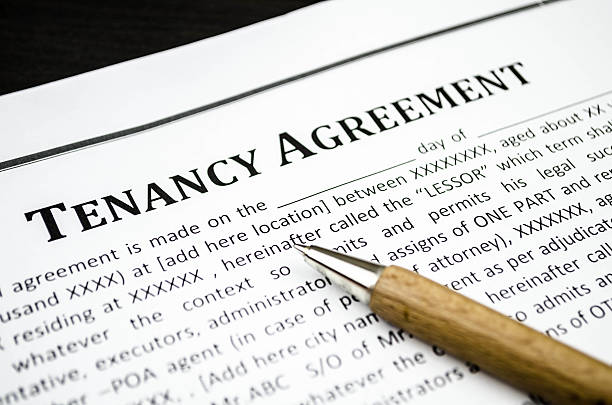
A good tenancy agreement gives a private landlord and tenant a clear written record of the terms of the rental. It should cover the property, rent, deposit, responsibilities, bills, repairs and the rules that apply during the tenancy.
Since 1 May 2026, new assured private tenancies in England are generally assured periodic tenancies. Landlords must provide tenants with written information about key tenancy terms, and this information can be included within the tenancy agreement.
What Should a Private Landlord's Tenancy Agreement Include?
A practical tenancy agreement should clearly identify:
-
The landlord's name and contact details
-
The tenant's name and contact details
-
The full property address
-
The date the tenancy starts
-
The rent amount and payment frequency
-
When and how rent must be paid
-
Deposit details
-
Responsibility for bills and council tax
-
Repair and maintenance responsibilities
-
Rules concerning pets
-
Rules concerning subletting or lodgers
-
Responsibilities for looking after the property
-
How the tenant can end the tenancy
-
How the landlord can seek possession where legally permitted
-
Any additional terms applying to the property
The agreement should only contain terms that comply with applicable housing and consumer protection law.
Simple Private Landlord Tenancy Agreement Template
A private landlord can structure a tenancy agreement along the following lines:
PRIVATE RESIDENTIAL TENANCY AGREEMENT
1. Landlord
Landlord name: [Full name]
Address: [Landlord address]
Contact details: [Telephone/email]
2. Tenant
Tenant name: [Full name]
Additional tenant(s): [Names]
3. Property
Property address: [Full property address]
The tenancy includes: [Rooms, garden, parking space, storage area or other relevant facilities].
4. Tenancy
Tenancy start date: [Date]
Tenancy type: [Applicable tenancy type]
The tenancy will operate in accordance with the applicable housing legislation and the terms set out in this agreement.
5. Rent
Rent: £[Amount] per [week/month]
Payment date: [Date]
Payment method: [Bank transfer/standing order/other agreed method]
6. Deposit
Deposit: £[Amount]
Deposit protection arrangements: [Scheme/details where applicable]
The deposit may only be dealt with in accordance with applicable law and the terms governing the tenancy.
7. Bills
The tenant is responsible for: [Electricity/gas/water/council tax/broadband/other bills].
The landlord is responsible for: [List any bills included in the rent].
8. Repairs and Maintenance
The tenant must report necessary repairs and take reasonable care of the property.
The landlord remains responsible for statutory landlord obligations and repairs that are legally the landlord's responsibility.
9. Property Use
The property must be used as the tenant's home and must not be used for unlawful activities.
The tenant must not sublet the property or allow additional occupants where this would breach the tenancy terms or applicable law.
10. Pets
Pets: [Permitted/not permitted/subject to landlord's consideration and applicable law].
Any pet-related conditions must comply with current legislation.
11. Condition and Inventory
The condition of the property and its contents should be recorded in an inventory where appropriate.
The tenant should notify the landlord or agent of any inaccuracies in the inventory as soon as reasonably possible.
12. Ending the Tenancy
The tenant and landlord must follow the applicable legal requirements when ending the tenancy.
Nothing in this agreement removes statutory rights or allows either party to bypass the required legal process.
13. Signatures
Landlord signature: __________________
Date: __________________
Tenant signature: __________________
Date: __________________
Can a Private Landlord Still Use an Old AST Template?
Landlords should be careful about downloading an old assured shorthold tenancy template and using it for a new tenancy.
From 1 May 2026, new assured private tenancies in England are generally periodic rather than fixed-term, and an end date cannot simply be inserted into a new agreement as though the old system still applied.
An outdated template can therefore contain clauses that no longer reflect the current legal framework.
Does a Landlord Have to Use a Government Template?
No. A private landlord does not generally have to use one particular tenancy agreement template.
The government has produced a model tenancy agreement for periodic assured tenancies, but landlords can use their own professionally prepared agreement provided it complies with the law.
A landlord's agreement should also be reviewed whenever housing legislation changes rather than relying on a template that has been used for several years.
What Should Landlords Avoid Putting in the Agreement?
Private landlords should avoid clauses that attempt to remove statutory tenant rights or impose charges that are not legally permitted.
For example, a tenancy agreement cannot simply give a landlord the right to evict a tenant immediately whenever they want. Possession must follow the applicable legal process.
Landlords should also be careful with clauses concerning deposits, repairs, pets, rent increases and additional fees.
Why Professional Property Management Helps
A tenancy agreement is only one part of managing a rental property. Landlords also need to handle inspections, repairs, rent collection, compliance, tenant communication and property maintenance correctly.
Fraser Bond provides property management and consultancy services for landlords and property owners across the UK, helping with tenancy administration, maintenance coordination, compliance and wider property management requirements.
Using clear documentation and professional processes can reduce disputes and help landlords manage their properties more effectively.