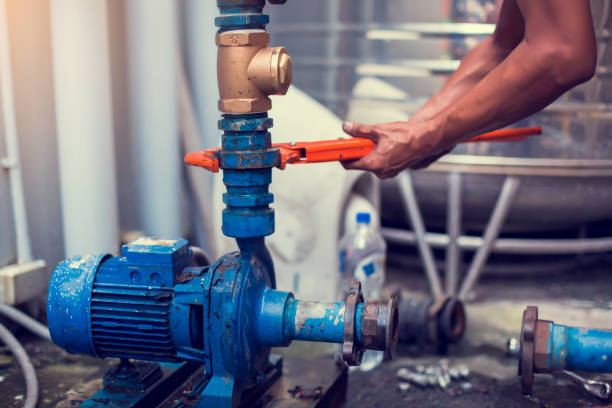
Water Pump Installers - Professional Pump Installation for Homes and Commercial Properties
Professional water pump installers design, fit and commission pumping systems for properties that need improved water pressure, drainage, wastewater movement or specialist water-transfer solutions.
Water pumps are used across residential properties, apartment buildings, commercial premises and developments. Depending on the application, an installation might involve a booster pump to improve water pressure, a sump pump to control groundwater, or a sewage pump where wastewater cannot flow to the main drainage system by gravity.
Choosing the correct pump is important. A system that is incorrectly sized or installed can operate inefficiently, cycle excessively or fail to provide the required flow and pressure. Specialist pump installers therefore commonly assess the property and system requirements before selecting equipment. H2o flowtech
What Do Water Pump Installers Do?
A water pump installer does considerably more than connect a pump to existing pipework.
Professional installation can involve assessing flow and pressure requirements, selecting suitable equipment, designing associated pipework and controls, installing the system and commissioning it once the work is complete.
Depending on the project, installers may work with:
- Water booster pumps and booster sets
- Sump and basement pumps
- Sewage and wastewater pumps
- Submersible pumps
- Borehole and well pumps
- Surface-water and drainage pumps
- Circulation pumps
- Pumping stations
- Pressure vessels
- Control panels and monitoring equipment
Specialist contractors may also provide ongoing servicing, maintenance, emergency repairs and replacement of existing pumps. H2o flowtech
Domestic Water Pump Installation
Residential properties can require pumps for several different reasons.
One of the most common is inadequate water pressure. A large property, multiple bathrooms or particular plumbing configurations can create demand that the existing system does not adequately support.
A professionally designed booster system can help provide more consistent water pressure where the existing installation and water-supply arrangements make boosting appropriate.
Pumps can also be required for basement drainage, private water supplies and wastewater systems.
The correct solution depends on what the property is trying to achieve, which is why professional assessment should normally take place before equipment is purchased.
Water Booster Pump Installers
A water booster pump is designed to increase water pressure within an appropriate plumbing system.
Booster pumps may be considered where showers and taps suffer from inadequate pressure or where larger buildings require reliable water delivery across several floors. Specialist systems can incorporate one or multiple pumps depending on demand. H2o flowtech
However, installing a pump should not be the first response to every low-pressure problem.
Restricted pipework, partially closed valves, leaks or problems with the incoming supply can produce similar symptoms. The underlying cause should therefore be established before a booster system is specified.
Professional water pump installers can assess flow, pressure and expected demand before recommending a suitable solution.
Water Pumps for Flats and Apartment Buildings
Multi-storey residential buildings can have significantly different water requirements from individual houses.
Upper floors need sufficient pressure, while periods of high simultaneous demand can place additional demands on the system.
A properly designed booster set can help maintain appropriate water delivery throughout a building.
Larger installations may incorporate multiple pumps, pressure vessels and automated controls rather than relying on one simple domestic pump.
For landlords, freeholders and managing agents, correct specification is particularly important because pump failure could affect multiple residents simultaneously.
Sump Pump Installation
A sump pump is typically used to remove unwanted water from a low-level area such as a basement, cellar or sump chamber.
Water collects at a designated point and the pump automatically moves it to an appropriate discharge location.
Sump pumps can be particularly important where groundwater or water ingress creates a risk of flooding.
The installation needs to consider more than the pump itself. The sump, discharge arrangement, controls and power supply all need to work together.
Where the consequences of pump failure would be significant, additional resilience such as alarms, backup arrangements or multiple pumps may also be considered.
Sewage Pump Installation
Some properties cannot discharge wastewater to the appropriate sewer or drainage connection entirely through gravity.
A sewage pump or pumping station may then be required to lift wastewater to a suitable discharge point.
These systems are commonly associated with basement bathrooms, developments and properties where fixtures are located below the level needed for conventional gravity drainage. Specialist guidance stresses that the system should be selected according to the property's wastewater demand and physical layout. Checkatrade
Because sewage pumping systems handle wastewater, correct specification and reliable operation are particularly important.
Drainage Pump Installation
Drainage pumps are used where unwanted water needs to be moved from one location to another.
Applications can include groundwater, surface water, construction sites, basements and other areas where gravity drainage is insufficient.
The pump must be appropriate for the liquid being handled.
A pump intended for relatively clean water may not be suitable for wastewater containing solids, while a sewage pump is designed for substantially different operating conditions.
Professional assessment helps ensure that the equipment matches the intended application.
Borehole and Well Pump Installers
Properties with private water supplies may use borehole or well pumps to bring water to the surface and distribute it through the property.
These systems can require submersible pumps, pressure vessels, controls and associated treatment equipment depending on the water source and intended use.
Correct pump selection depends on factors including borehole depth, required flow, expected pressure and overall demand.
This makes professional design and commissioning particularly important for private water-supply systems.
Commercial Water Pump Installation
Commercial buildings often have substantially greater water requirements than individual homes.
Hotels, offices, apartment developments, healthcare buildings, industrial premises and other facilities may require complex pumping equipment to maintain appropriate water pressure or move wastewater.
Commercial installations can include multi-pump booster sets, pumping stations, control systems and monitoring equipment.
Specialist pump companies commonly provide services extending from initial design and installation through commissioning, maintenance and repair. H2o flowtech
For property managers, ongoing servicing can be particularly important where failure would disrupt tenants, customers or business operations.
Water Pump Installation for Property Developments
Pumping requirements should ideally be considered early in a development or major refurbishment.
Adding apartments, bathrooms or commercial units can substantially alter expected water demand.
Basement developments can also introduce new drainage challenges, particularly where bathrooms or other wastewater-producing facilities are located below existing drainage levels.
Considering these requirements during design can be considerably easier than attempting to retrofit an unsuitable solution after construction is substantially complete.
Developers should therefore coordinate pumping requirements with the wider plumbing, drainage and building-services design.
Choosing the Correct Water Pump
Pump selection should be based on system requirements rather than simply choosing the most powerful available model.
A pump needs to provide the required flow and pressure while operating efficiently within the wider system.
Oversizing can be problematic as well as undersizing.
Professional installers can calculate requirements and specify appropriate pumps, controls, valves and associated equipment.
For booster systems, this may involve understanding peak demand across multiple outlets. For drainage applications, the calculation may instead involve expected water volumes and the height over which the water must be pumped.
Why Professional Pump Installation Matters
Water pumps interact with plumbing, electrical systems and, in some cases, wastewater infrastructure.
Installation errors can therefore create problems beyond the pump itself.
Poor pipe sizing, incorrect controls or inappropriate pressure settings can reduce performance and potentially shorten equipment life.
Professional installation normally includes testing and commissioning so that operating conditions can be checked before the system is handed over. Specialist installers describe commissioning, pressure adjustment and testing as core stages of the installation process. Aqua Flow Pro
Water Pump Maintenance
Installing a pump is only the beginning of its operating life.
Pumps contain mechanical and electrical components that can deteriorate, become obstructed or eventually fail.
Maintenance requirements vary considerably according to the pump type and application.
A domestic booster pump will have different servicing requirements from a commercial sewage pumping station.
Systems should be maintained according to the manufacturer's requirements and the conditions in which they operate.
For critical installations, planned preventative maintenance can also help identify problems before they result in complete pump failure.
Signs a Water Pump Needs Attention
Changes in performance should not automatically be ignored.
Unusual noises, vibration, inconsistent pressure, frequent cycling and unexpected loss of performance can indicate that a system requires investigation.
For sump and sewage pumps, repeated alarms or failure to empty the chamber can be particularly important warning signs.
Water appearing around pumping equipment should also be investigated.
A specialist may be able to determine whether the problem involves the pump itself, controls, electrical components, pipework or another part of the system.
Repairing or Replacing an Existing Pump
A failed pump does not necessarily need immediate replacement.
Some faults can be repaired by replacing individual components or correcting problems elsewhere in the system.
However, replacement may become more appropriate where equipment is extensively worn, inefficient, incorrectly specified or repeatedly failing.
Older commercial systems can sometimes also be upgraded with newer controls or more efficient equipment.
A pump specialist should assess the existing installation before determining whether repair, refurbishment or replacement represents the most suitable approach.
Emergency Water Pump Repairs
Pump failure can become an emergency where the equipment protects a property from flooding or handles essential wastewater.
A failed sump pump during heavy water ingress, for example, can expose a basement to flooding.
Similarly, failure of a sewage pumping station can prevent wastewater from leaving a building normally.
Commercial pump specialists may therefore provide emergency attendance as part of wider installation and maintenance services. H2o flowtech
Property managers responsible for critical pumping equipment should ideally know whom to contact before an emergency develops.
Water Pump Installers for Landlords
Landlords may encounter pumping equipment in apartment buildings, basement properties, converted houses and developments with specialised drainage arrangements.
Where a pump serves an essential function, maintenance should form part of the property's wider management strategy.
Tenants should know how to report alarms or obvious pump problems promptly rather than attempting unauthorised repairs.
For portfolio landlords, maintaining service records can also help establish equipment age, previous faults and maintenance history.
Fraser Bond supports landlords through lettings, compliance guidance and property advisory services, helping owners approach maintenance and property condition as part of wider asset management.
Water Pumps When Buying a Property
Existing pumping equipment deserves attention during property due diligence.
Buyers should establish what the pump does, why it was installed and whether the property depends on it for an essential function.
A small booster pump serving a shower presents a very different consideration from a sewage pumping station serving an entire property.
Useful information can include the equipment's age, maintenance records, previous repairs and whether there is backup provision for critical systems.
For investment property, anticipated pump replacement and servicing costs can then be incorporated into the wider maintenance budget.
Water Pumps for London Properties
London's varied building stock can create a wide range of pumping requirements.
Apartment buildings may require pressure-boosting systems, while basement conversions can need specialist drainage or wastewater pumping arrangements.
Mixed-use and commercial buildings can involve more substantial pumping infrastructure.
For investors assessing London property, existing mechanical and drainage systems should therefore be considered alongside the building's condition, configuration and intended use.
A property that depends heavily on specialist pumping equipment may require a different maintenance strategy from a conventional house.
Choosing Water Pump Installers
The appropriate installer should have experience with the specific type of system required.
A contractor experienced in domestic shower pumps is not necessarily the same specialist needed to design a commercial sewage pumping station.
Ask how the proposed pump has been sized and what equipment is included within the installation.
For larger systems, it is also useful to understand commissioning, maintenance arrangements, warranties and what happens if the equipment fails.
The objective is not simply to install a pump. It is to create a reliable pumping system suited to the property and its expected demand.
Property and Investment Support from Fraser Bond
Professional water pump installers can help homeowners, landlords and commercial property owners select and install equipment for water pressure, drainage and wastewater applications.
For investors, pumping equipment should also be considered as part of the property's wider mechanical infrastructure and future maintenance requirements.
FraserBond.com supports buyers, sellers, landlords, investors and developers through property sales, lettings, compliance support and investment advisory services.
Fraser Bond combines London property expertise with practical investment guidance, helping clients consider building condition, refurbishment requirements, rental potential and longer-term asset strategy.
Whether you are purchasing an investment property, preparing a property for letting or evaluating a development opportunity, FraserBond.com can provide professional property guidance throughout the acquisition and ownership process.