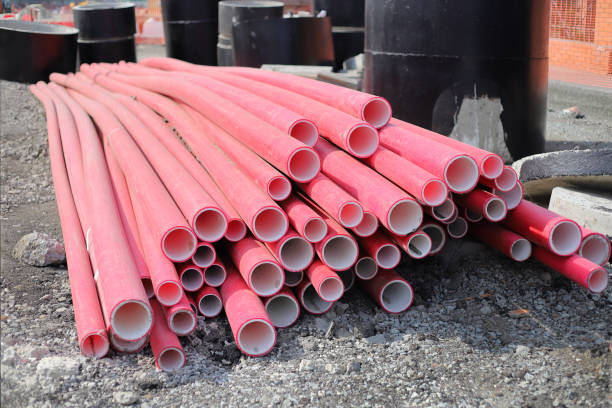
Pitch Fibre Pipes - Problems, Repairs and Advice for UK Property Owners
Pitch fibre pipes are a type of drainage pipe commonly found in some UK properties built or redeveloped during the mid-20th century. Although relatively lightweight and economical when originally installed, ageing pitch fibre drainage can deteriorate, deform and restrict wastewater flow over time.
For homeowners, landlords, buyers, investors and developers, discovering pitch fibre drains does not automatically mean that the entire drainage system needs replacing. However, the condition of the pipework should be properly assessed, particularly where a property has recurring blockages, slow drainage or evidence of structural defects.
A professional CCTV drain survey can help establish the condition of existing pipework and whether cleaning, rehabilitation or replacement should be considered.
What Is Pitch Fibre Pipe?
Pitch fibre drainage pipe was manufactured using wood cellulose fibres impregnated with coal-tar pitch. It was used for drainage systems because it was lightweight, relatively inexpensive and easier to handle than some alternatives available at the time.
Pitch fibre became particularly associated with UK construction during the post-war period, including residential development from approximately the 1950s through to the 1970s.
Many of these installations are consequently several decades old.
Unlike modern rigid plastic drainage pipes, pitch fibre can become susceptible to deformation and deterioration. This makes the condition of existing pipework more important than simply establishing whether pitch fibre is present.
How Can You Tell If You Have Pitch Fibre Drains?
Most homeowners will not be able to identify underground pipe material without inspection.
If the property was constructed during a period when pitch fibre was commonly used, its age may provide an initial indication. Previous drainage reports or building documentation may also identify the pipework.
A CCTV drain survey for pitch fibre pipes is generally a more reliable method of investigating the system.
A drainage camera can be passed through accessible pipework to assess its internal condition and identify deformation, restrictions, defects and other drainage problems.
For property buyers, establishing the pipe material and condition before completion can provide useful information about potential future maintenance expenditure.
Common Pitch Fibre Pipe Problems
Ageing pitch fibre drains can experience several forms of deterioration.
One recognised problem is deformation. Rather than retaining a consistently circular shape, the pipe can become distorted or flattened. This reduces its internal capacity and can make it more difficult for wastewater and solids to pass freely.
Other potential problems include:
- Blistering of the internal pipe surface
- Delamination of the material
- Deformed or flattened pipework
- Reduced internal diameter
- Recurring drain blockages
- Poor wastewater flow
- Defective joints
- Root intrusion where defects permit access
- Structural deterioration
Not every pitch fibre drainage system will exhibit all of these problems. The appropriate response should be based on its actual condition.
Signs of Failing Pitch Fibre Drains
Drainage problems can develop gradually, meaning deterioration may not be obvious until the system begins performing poorly.
Warning signs can include toilets flushing slowly, sinks or baths taking longer to drain, recurring external drain blockages and unpleasant drainage smells.
Gurgling from toilets or sinks can also indicate restricted wastewater movement.
More serious symptoms can include sewage backing up into the property or wastewater overflowing from an inspection chamber.
These symptoms are not unique to pitch fibre. Similar problems can result from ordinary blockages, damaged clay pipes or other drainage defects. A proper inspection is therefore preferable to assuming that pitch fibre is responsible.
Pitch Fibre Drain Survey
A pitch fibre drain survey can help determine whether the existing system remains serviceable or requires remedial work.
During a CCTV survey, a drainage specialist inspects accessible sections of pipework using camera equipment. Particular attention may be given to the pipe's shape, internal surface, joints and any sections where wastewater flow is restricted.
Where defects are identified, the resulting footage and report can help property owners understand the extent and location of the problem.
This is particularly useful before authorising extensive excavation or pipe replacement.
For landlords and investors, obtaining evidence of the actual pipe condition can also help distinguish between routine maintenance and more substantial capital expenditure.
Can Pitch Fibre Pipes Be Repaired?
Depending on their condition, pitch fibre pipe repair may be possible without completely excavating and replacing the drainage system.
Where the pipe retains sufficient structural integrity, specialist contractors may be able to reshape or reform affected sections before installing an internal liner.
Drain lining creates a new internal surface within the existing pipe and can sometimes extend the useful life of the drainage system while avoiding extensive excavation.
However, trenchless rehabilitation is not appropriate in every situation. Severely collapsed or extensively damaged sections may require excavation and conventional replacement.
The appropriate solution should therefore follow a detailed inspection rather than being selected solely because the pipe material is pitch fibre.
Pitch Fibre Pipe Relining
Pitch fibre pipe relining can be attractive where existing drainage runs beneath driveways, gardens, floors or other areas where excavation would cause substantial disruption.
The process typically involves preparing the existing pipe before installing a specialist liner inside it. Once cured, the liner creates a new internal pipe surface.
Potential advantages can include reduced excavation, shorter repair times and less disruption to landscaping or finished surfaces.
However, the suitability of relining depends on the condition, shape and accessibility of the existing drain.
Property owners should ask contractors to explain why a particular repair method is suitable and what CCTV evidence supports the recommendation.
When Does Pitch Fibre Pipe Need Replacing?
Complete pitch fibre pipe replacement may be necessary where deterioration is too severe for an appropriate rehabilitation method.
For example, a collapsed section may prevent lining equipment from passing through the pipe. Extensive deformation or other structural problems may also make excavation and replacement more appropriate.
Replacement can involve considerably more disruption where drains run beneath buildings, hard landscaping or access routes.
This is one reason why early investigation of recurring drainage problems can be valuable. Addressing deterioration before complete failure may provide property owners with a wider range of repair options.
Pitch Fibre Pipes When Buying a House
Discovering pitch fibre drainage during the purchase of a property should prompt further investigation rather than immediate conclusions about the property's suitability.
The key issue is condition.
A functioning system in reasonable condition presents a different situation from severely deformed drainage requiring substantial remedial work.
Buyers may therefore consider obtaining a CCTV drainage survey where pitch fibre is known or suspected, particularly if the property has a history of blocked drains.
A detailed report can help identify whether immediate repairs are required and provide information that can be considered alongside the wider building survey and purchase due diligence.
Pitch Fibre Drains and Mortgage Considerations
Drainage defects can sometimes become relevant during mortgage valuation, building surveys or insurance enquiries, particularly when substantial repair work is identified.
The presence of pitch fibre itself does not necessarily establish that a drainage system has failed. The severity and extent of actual defects are more informative.
Buyers should obtain appropriate professional advice where a survey identifies significant drainage deterioration.
For investors, potential drainage expenditure should also be incorporated into refurbishment budgets and overall acquisition costs.
FraserBond.com supports property buyers and investors with acquisition guidance, investment advisory and location-specific market insight, helping clients assess opportunities within their wider investment objectives.
Pitch Fibre Drainage in Rental Properties
Landlords should investigate persistent drainage complaints rather than repeatedly arranging basic blockage clearance.
If a rental property contains deteriorating pitch fibre drains, recurring blockages could indicate that the internal diameter of the pipe has become restricted or that structural deterioration is progressing.
Keeping records of drainage surveys, contractor reports and repairs can help landlords build an accurate maintenance history for the property.
Plumbing and drainage should also be considered alongside wider landlord responsibilities and compliance requirements.
Fraser Bond supports London landlords through lettings, compliance guidance and property advisory services, helping owners manage rental assets with a long-term perspective.
Pitch Fibre Pipes for Developers and Property Investors
Older drainage infrastructure can be particularly relevant to refurbishment and development projects.
An investor acquiring a mid-century property for extension, conversion or redevelopment may discover that the existing drainage system requires upgrading as part of the works.
Investigating drainage early can help avoid discovering major defects after new flooring, landscaping or other finishes have been completed.
Developers should also consider whether proposed changes to occupancy or building configuration will place additional demands on existing drainage infrastructure.
For this reason, drainage due diligence can form an important part of assessing older residential and commercial property opportunities.
Should You Buy a Property with Pitch Fibre Drains?
The presence of pitch fibre drainage should be considered alongside the pipework's condition, repair options and likely costs.
A buyer may want to establish:
- How much of the drainage system contains pitch fibre
- Whether the pipes are deformed or damaged
- Whether blockages have occurred previously
- Whether repair or relining is technically suitable
- Whether sections require replacement
- The likely cost and disruption of remedial work
- Whether drainage runs beneath buildings or finished surfaces
This information can provide a much clearer basis for assessing the property than the pipe material alone.
Preventing Problems with Older Drainage Systems
Older drains benefit from sensible use and prompt investigation when performance changes.
Avoid flushing wipes, sanitary products and other unsuitable materials. Fats, oils and grease should also be kept out of drainage systems wherever possible.
If blockages repeatedly occur in the same location, continually clearing them without investigating the underlying cause may only provide temporary relief.
A CCTV survey can help establish whether structural deterioration, deformation, roots or another obstruction is responsible.
London Property Advice from Fraser Bond
Older drainage infrastructure is one of many factors that buyers and investors may need to consider when assessing property.
FraserBond.com supports buyers, sellers, landlords, investors and developers with sales, lettings, compliance and investment advisory services, with particular expertise across the London property market.
For investors considering older houses, apartment buildings, refurbishment opportunities or development sites, Fraser Bond provides location-specific market insight and professional guidance throughout the acquisition process.
Visit FraserBond.com to explore London properties for sale and rent, investment opportunities and professional real estate services.