


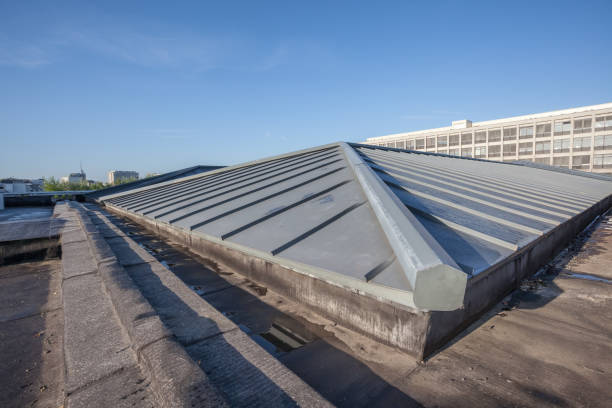
Single ply roofing in Chelsea provides a modern waterproofing solution for flat and low-slope roofs across residential, commercial and mixed-use properties. Single ply systems use flexible synthetic membranes to create a continuous waterproof layer and are commonly specified for flat or low-pitched roof construction.
For property owners in Chelsea, SW3 and surrounding prime London areas, the system can be relevant to extensions, apartment buildings, roof terraces, commercial premises and refurbishment projects. However, specification should reflect the existing structure, drainage, insulation, fire performance and any planning or heritage restrictions affecting the property.
Fraser Bond supports Chelsea landlords, investors, developers and property owners with property management, sales, lettings and wider real estate advisory services through FraserBond.com.
What Is Single Ply Roofing?
Single ply roofing uses a flexible membrane as the primary waterproofing layer of a flat or low-slope roof.
Unlike multi-layer built-up roofing systems, the waterproofing membrane is installed as a single layer. Depending on the specified system and roof construction, membranes can be mechanically fixed, fully adhered or ballasted.
The membrane forms part of a complete roofing build-up rather than operating independently.
A typical warm-roof construction can include the structural deck, air and vapour control layer, thermal insulation and waterproof membrane. NFRC/SPRA technical guidance identifies warm flat-roof construction as the preferred approach in the Passivhaus context because it can help provide effective air, wind and thermal-control layers.
Single Ply Flat Roofing Chelsea
Single ply membranes are particularly associated with flat roofing.
Chelsea properties can incorporate flat roofs on rear extensions, apartment blocks, contemporary additions and commercial buildings.
A successful installation depends on more than selecting a membrane. The complete roof should address drainage, thermal performance, condensation control, structural loading, fire performance, penetrations and workmanship.
The 2025 revision of BS 6229 strengthened requirements for flat-roof design, including drainage, thermal performance, condensation control, fire safety, workmanship and maintenance.
Single Ply Roof Repairs
A damaged single ply roof does not automatically require complete replacement.
The feasibility of repair depends on the membrane system, age, condition and cause of failure.
Problems can develop around seams, penetrations, outlets, perimeter details and areas exposed to mechanical damage.
A specialist contractor should identify the membrane and investigate the defect before undertaking repairs. Compatibility is important because products designed for one membrane system should not automatically be assumed suitable for another.
Where deterioration is extensive, refurbishment or replacement may provide better long-term value than repeated localised repairs.
Single Ply Roof Replacement Chelsea
Replacement can become appropriate where the membrane has deteriorated significantly or where wider improvements to insulation and drainage are required.
The existing roof should first be assessed.
This can help determine whether materials must be removed or whether an overlay system is technically appropriate. NFRC's current technical library includes specific industry guidance addressing considerations when overlaying existing flat roofs.
For investment properties, owners should compare the cost and expected lifespan of continued repairs with a properly specified refurbishment.
Warm Roof Construction
Warm-roof construction places thermal insulation above the structural deck.
The waterproofing layer then protects the insulation and underlying construction.
For single ply systems, this approach can provide a relatively straightforward method of combining waterproofing and thermal performance when properly designed.
NFRC/SPRA guidance notes that cold flat roofs carry significant condensation risks and identifies warm flat-roof construction as preferable for the Passivhaus applications covered by its guidance.
The exact construction should nevertheless be designed for the individual building rather than copied from another project.
Single Ply Roofing and Insulation
Roof refurbishment can create an opportunity to improve thermal performance.
However, insulation thickness and arrangement must work with the complete roof design.
Gaps between insulation boards and poorly detailed junctions can undermine thermal performance. NFRC/SPRA guidance highlights thermal bypass as an important design and installation consideration for highly insulated single ply flat roofs.
Professional specification is therefore important where a Chelsea property is undergoing a significant energy-efficiency upgrade.
Air and Vapour Control
Moisture management is another important element of flat-roof design.
An Air and Vapour Control Layer can form part of the roof build-up to help manage air and moisture movement.
NFRC publishes specific guidance on BS 5250 and moisture management for flat roofing, reflecting the importance of condensation control within roof design.
Incorrectly designed refurbishment can create concealed moisture problems even when the external membrane appears watertight.
Single Ply Roof Drainage
Flat roofs are not intended simply to retain water until it evaporates.
Effective falls and drainage outlets are important.
The revised BS 6229:2025 strengthened flat-roof drainage requirements and specifies a minimum 1:80 finished fall for general roof areas and internal gutters.
Poor drainage can contribute to ponding and place additional demands on the roofing system.
Where standing water repeatedly appears on an existing Chelsea flat roof, the underlying falls and drainage arrangement should therefore be investigated rather than treating only the membrane.
Mechanically Fixed Single Ply Roofing
Mechanical fixing is one installation method available for single ply membranes.
The membrane and associated insulation can be secured using an engineered fixing system.
The fixing specification can depend on factors including roof dimensions, building height, location and exposure. Current NFRC-hosted technical product information notes that fixing quantity and patterns can vary according to roof dimensions, height and topographical factors.
The fixing arrangement should therefore be designed for the specific roof.
Fully Adhered Single Ply Roofing
Fully adhered systems use an appropriate adhesive system to secure the membrane to the prepared substrate or insulation.
These systems can be useful where the design requires a continuous adhered installation.
Compatibility between the membrane, adhesive and insulation is essential.
The roofing manufacturer or system designer should specify the appropriate components rather than different products being combined without technical confirmation.
Single Ply Roofing for Chelsea Extensions
Flat roofs are frequently incorporated into residential extensions.
For Chelsea homeowners and developers, single ply roofing can provide a practical waterproofing solution where the roof design is suitable.
The design should account for drainage, insulation, rooflights, penetrations and connections with the existing building.
Where an extension involves broader alterations to a period property, planning and conservation considerations may also become relevant.
Single Ply Roofing for Apartment Buildings
Apartment developments can contain substantial flat-roof areas covering communal parts of the building.
In these circumstances, responsibility commonly rests with the freeholder, Residents Management Company or Right to Manage company according to the lease and management structure.
Large projects can require a roof-condition survey, specification, tender process, contractor appointment and professional supervision.
Where costs are recoverable through service charges, lease requirements and applicable consultation procedures should also be considered.
Single Ply Roofing for Chelsea Landlords
Landlords should address flat-roof defects before water penetration causes extensive internal damage.
A small membrane defect can potentially affect insulation, ceilings, decorations and the tenant's accommodation.
For managed rental properties, a property manager can coordinate inspection, contractor access, quotations and repair work.
This can be particularly valuable for overseas owners of Chelsea investment properties who are unable to supervise maintenance personally.
Single Ply Roofing for Commercial Property
Single ply membranes are commonly used on commercial and industrial buildings as well as residential property. NFRC describes single ply as a popular system for flat and low-slope roofs, particularly within commercial and industrial applications.
Commercial landlords should consider planned inspection and maintenance because roof failure can disrupt occupiers and potentially damage equipment, stock and internal finishes.
Roof-mounted plant can also create additional design considerations.
Heavy equipment should be appropriately supported rather than relying improperly on roofing insulation or membrane components.
Chelsea Conservation and Heritage Considerations
Chelsea contains substantial areas of architecturally important and conservation-sensitive property.
This makes roof alterations particularly important from a planning perspective.
The Royal Borough of Kensington and Chelsea states that Article 4 Directions in some conservation areas control changes that might otherwise fall within permitted development, including changes to roof coverings in applicable locations.
The borough's planning policy also requires roof alterations to be sympathetic to the age and character of buildings and their surroundings.
This does not mean that every single ply repair requires planning permission. However, property owners proposing visible alterations, changes to roof form or work affecting protected buildings should establish the relevant requirements before proceeding.
Single Ply Roofing for Chelsea Property Developers
Developers can consider single ply roofing during new construction, extensions and major refurbishment.
Roofing should be incorporated into the design process rather than treated as a final waterproof covering selected immediately before installation.
Drainage, thermal performance, structural loading, fire requirements, rooflights, plant and maintenance access can all influence the specification.
The 2025 BS 6229 revision also strengthens requirements around information exchange, workmanship and documented handover, reinforcing the importance of coordinated design and construction.
Fire Performance
Fire performance should be considered as part of the complete roof specification.
The appropriate solution depends on the building, roof construction and materials used.
NFRC, SPRA and the Liquid Roofing and Waterproofing Association have jointly published industry guidance addressing fire-safety requirements for flat roofs and balconies, including regulatory changes affecting relevant residential and other building types.
Property owners should therefore rely on an appropriately designed roofing system rather than selecting a membrane solely according to cost or appearance.
Maintaining a Single Ply Roof
Routine inspection can help extend the effective service of a flat roof.
Owners and property managers should pay attention to outlets, drainage, penetrations, perimeter details and visible membrane damage.
Roof-mounted equipment and maintenance traffic should also be managed carefully to avoid unnecessary damage.
The updated BS 6229 framework places increased emphasis on workmanship and maintenance as part of overall flat-roof performance.
Choosing a Single Ply Roofing Contractor in Chelsea
Single ply installation requires specialist skills.
A general roofer who primarily works on slate and tiled pitched roofs may not necessarily have the expertise required to install a particular membrane system.
Owners should establish the contractor's experience with the specified membrane and similar buildings.
For substantial projects, manufacturer-approved installation requirements, warranties, insurance, design responsibility and inspection arrangements should also be clarified before work begins.
Single Ply Roofing and Property Investment
Roof condition can have a direct effect on property investment expenditure.
Send us your situation and we will tell you where you stand — what we would do, what it should cost, and what we would leave alone.
WhatsApp our teamNo fee for the conversation.
Every property we are instructed on, in one place. Start with the basics and refine from there.
There is probably a Fraser Bond team for it.
Lettings & management
Finding tenants, running tenancies, and holding the compliance paperwork so you never have to look for it.
Investment & portfolio
Buying well, holding sensibly, and knowing when a property has stopped earning its place.
Commercial property
Offices, retail and mixed use — acquisition, lettings, lease advice and building management.
Professional services
Valuation, lease consultancy, building consultancy and expert advice when a decision needs evidence behind it.
You are one message away from an answer.
Send it to us and get a straight answer.
Describe the property and the problem. We will tell you what we would do, what it should cost, and if we are not the right people, who is.
- Replies the same working day
- The person who answers is the person who handles it
- No fee, and no obligation to instruct us
See everything we are instructed on.
Sales and lettings across Prime Central London and the wider UK, with the same team behind every listing.
- Residential and commercial in one search
- Filter by borough, budget and size
- Register once and we will send matches first
Other insights you may find useful.
 Property Recruitment & Real Estate Jobs
Property Consultant Jobs London - Build a High-Value Career with Fraser Bond
Read → Property & Real Estate Services
The Legal Guide: How to Evict a Tenant Without Going to Court in the UK
Read → Commercial Property & Office Space
Prestigious UK Business Schools - Leading Schools
Read → Property & Real Estate Services
BVI Offshore Company Formation - International Business and Investment Guide
Read → Residential Property Services in London