Drone Roof Surveys - Professional Aerial Roof Inspections in the UK
Drone roof surveys provide a practical way to inspect roofing systems, identify visible defects and assess building condition without immediately requiring scaffolding or direct roof access. Using high-resolution aerial photography and video, qualified drone operators can examine roof coverings, chimney stacks, gutters, flashing and other difficult-to-reach areas.
Across London and the wider UK, drone roof inspections are increasingly used for residential properties, commercial buildings, apartment blocks, historic structures and property investment assessments.
For homeowners, landlords, freeholders and developers, drone roof surveys can provide useful visual evidence of roofing defects, support maintenance planning and help determine whether further specialist investigation is necessary.
Fraser Bond supports property owners, landlords, investors and developers with property management, sales, lettings and real estate advisory services through FraserBond.com.
What Are Drone Roof Surveys?
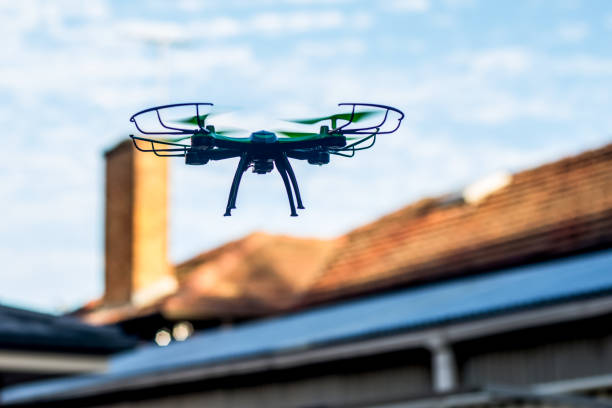
A drone roof survey is an aerial inspection carried out using an unmanned aircraft equipped with a camera.
The drone captures photographs or video of the roof from different angles, allowing an operator to examine areas that may be difficult to inspect safely from the ground.
The images can help identify visible deterioration, missing roofing materials, damaged flashing and drainage problems.
Drone surveys are particularly useful for tall buildings, complex roof structures and properties where conventional access is difficult or expensive.
However, an aerial survey is primarily a visual assessment. It cannot establish every hidden defect or replace all forms of physical inspection.
How Do Drone Roof Surveys Work?
A professional drone roof survey begins with an assessment of the property, surrounding environment and intended inspection requirements.
The operator checks whether the proposed flight can be conducted safely and lawfully.
During the inspection, the drone captures images of relevant roof areas, including slopes, ridges, valleys, chimneys and drainage details.
The resulting photographs or video are reviewed to identify visible defects.
Depending on the service commissioned, the client may receive annotated photographs, a written condition report or recommendations for further investigation.
Where technical conclusions about roof condition are required, the imagery should be assessed by a suitably competent roofing professional or building surveyor.
What Can a Drone Roof Survey Identify?
High-quality aerial images can reveal a range of visible roofing problems.
Common findings include:
-
Missing, slipped or cracked roof tiles and slates.
-
Damaged ridge and hip details.
-
Deteriorated chimney masonry and flashing.
-
Visible defects in flat roof coverings.
-
Blocked gutters and roof drainage outlets.
-
Damaged rooflights and surrounding seals.
-
Loose or displaced roofing components.
-
Vegetation growth and accumulated debris.
-
Visible deterioration around parapets and roof junctions.
Some defects may remain concealed beneath roof coverings or within the building structure.
Where necessary, a drone survey should be followed by closer inspection or specialist testing.
Drone Roof Surveys for Residential Properties
Homeowners may commission drone roof surveys when investigating leaks, assessing storm damage or planning roofing maintenance.
Traditional houses often contain roof areas that are difficult to view from ground level.
A drone can capture detailed images of chimney stacks, valleys and upper roof slopes without requiring immediate physical access.
This can help homeowners understand the visible condition of the roof before requesting repair quotations.
Where damage is identified, a roofing contractor may still need direct access to confirm the cause and determine the appropriate repair method.
Drone Roof Surveys for Victorian and Edwardian Houses
Victorian and Edwardian properties frequently feature slate roofs, clay tiles, chimney stacks and traditional leadwork.
These components can deteriorate through ageing and weather exposure.
Drone inspections may reveal displaced slates, damaged chimney pots, deteriorated mortar joints and visible flashing defects.
For period properties, aerial images can also help document existing roof materials and architectural details before refurbishment.
Where the building is listed or located in a conservation area, this documentation may assist with planning and heritage assessments.
Drone Surveys for Flat Roofs
Flat roofs are common on residential extensions, apartment buildings and commercial properties.
Drone surveys can help identify visible ponding, debris accumulation, damaged surface coverings and blocked drainage outlets.
They may also reveal defects around rooflights, parapets and rooftop equipment.
However, aerial photographs cannot reliably determine the condition of concealed insulation or confirm the full extent of moisture beneath a waterproofing membrane.
Where leaks persist, closer inspection or specialist moisture testing may be required.
Drone Roof Surveys for Chimneys
Chimney stacks are among the most difficult roof features to inspect safely without specialist access.
Drone photography can provide close views of chimney pots, brickwork, mortar joints and flashing.
Visible cracks, displaced masonry and deteriorated pointing may be identified.
The survey can also help establish whether vegetation or debris is present around the chimney.
However, the structural stability of a chimney cannot be confirmed solely from aerial photographs.
Significant defects may require assessment by an appropriately qualified professional.
Drone Roof Surveys for Gutters and Drainage
Gutters and roof drainage systems can be difficult to inspect from ground level, particularly on taller buildings.
Drone imagery may reveal debris accumulation, vegetation growth, displaced gutter sections and visible overflow staining.
It can also provide views of concealed gutters and roof outlets where the camera angle allows.
A drone survey does not necessarily confirm whether a downpipe is internally blocked or whether drainage falls are correct.
Further investigation may be needed where persistent drainage problems are suspected.
Drone Roof Surveys for Commercial Buildings
Commercial buildings often contain extensive roof areas that are difficult to inspect efficiently using conventional access methods.
Warehouses, offices, retail premises and industrial buildings may have metal roofs, flat roofing membranes and multiple rooftop installations.
Drone surveys can provide an overview of the roof's visible condition and help identify areas requiring attention.
For property managers, this information can support maintenance planning and contractor procurement.
Larger buildings may benefit from periodic aerial inspections alongside routine physical maintenance.
Drone Roof Surveys for Apartment Blocks
Apartment buildings and mansion blocks frequently contain communal roofing systems.
Roof maintenance may be managed by freeholders, Residents Management Companies, Right to Manage companies or appointed managing agents.
Drone roof surveys can help document visible defects across complex roof structures.
They may also provide evidence to support maintenance recommendations and discussions with leaseholders.
For major roofing projects, aerial imagery can assist with preparing an initial scope of work.
However, detailed specifications and cost estimates may still require direct inspection.
Drone Roof Surveys for Landlords
Landlords can use drone roof surveys to investigate suspected roofing problems and support planned maintenance.
Roof defects can lead to water penetration, damaged internal finishes and disruption to tenants.
Aerial inspections may help identify visible defects before they develop into more serious problems.
For landlords managing multiple properties, drone imagery can provide consistent records of roof condition.
Professional property management can assist with arranging surveys, reviewing findings and coordinating necessary repairs.
Drone Roof Surveys for Property Investors
Roof condition is an important consideration when purchasing investment property.
An ageing or poorly maintained roof can create substantial future expenditure.
Drone surveys may help investors identify visible defects that are difficult to assess during a standard property viewing.
They can be particularly useful for buildings with complex roof structures or restricted access.
However, a drone survey should not be treated as a substitute for an appropriate pre-purchase building survey.
Investors should consider the aerial findings alongside professional surveying advice and other due diligence.
Drone Roof Surveys Before Buying a Property
A drone roof inspection may provide additional information during the property purchase process.
The survey can document visible roofing defects, chimney deterioration and drainage problems.
This information may help buyers decide whether further investigation is necessary before exchanging contracts.
Where significant defects are identified, buyers may need quotations from roofing contractors or specialist assessments.
Aerial imagery alone cannot establish the full condition of structural timbers, roof insulation or concealed waterproofing components.
Drone Roof Surveys for Property Developers
Developers may use drone roof surveys during refurbishment and conversion projects.
Aerial inspections can help document existing roofing materials, visible defects and roof geometry.
This information can support early project planning and feasibility assessments.
For complex projects, drone imagery may be combined with measured surveys, structural assessments and architectural drawings.
Where roof extensions or alterations are proposed, planning and Building Regulations requirements should be considered separately.
Drone Roof Surveys for Historic Buildings
Historic buildings can present challenges because their roofing systems may be difficult to access without risking damage to traditional materials.
Drone inspections can help document slate coverings, lead valleys, parapet gutters and chimney details.
They may also support conservation planning by recording the existing appearance of the roof.
However, specialist heritage assessments may still require physical inspection and examination of traditional construction methods.
For listed buildings, proposed repairs or alterations may require appropriate consent.
Drone Roof Surveys in London
London's dense urban environment creates particular challenges for roofing inspections.
Tall buildings, restricted access, neighbouring properties and complex roof structures can make conventional surveys expensive or difficult.
Drone roof surveys may be useful across areas such as Chelsea, Kensington, Fulham, Hampstead, Islington, Westminster and Canary Wharf.
However, flights in London require careful consideration of airspace restrictions, nearby people, buildings and privacy.
A competent operator should establish whether the proposed survey can be conducted safely and lawfully before accepting the work.
Drone Roof Surveys Across the UK
Drone roof surveys are used throughout the UK for residential, commercial and industrial properties.
Cities such as Manchester, Birmingham, Leeds, Bristol and Liverpool contain substantial building stocks where aerial inspections may assist with maintenance planning.
Rural properties and larger commercial sites may also benefit from aerial surveys.
The feasibility of a drone inspection depends on the site conditions, surrounding airspace and the operator's permissions and competence.
Drone Roof Surveys and CAA Regulations
Commercial drone roof surveys must comply with the applicable UK aviation rules.
The Civil Aviation Authority regulates drone operations, including requirements relating to registration, operator competence and flight categories.
The permissions required depend on the aircraft, location and nature of the operation.
Some flights may fall within the Open category, while others require authorisation under the Specific category.
Restricted airspace and flight restriction zones may impose additional limitations.
Property owners should use operators who understand the relevant requirements and can explain how the survey will be conducted lawfully.
Drone Roof Surveys and Privacy
Drone surveys can capture images of neighbouring properties, gardens and windows.
Operators should take reasonable steps to minimise unnecessary recording of private areas.
Where personal data is captured, applicable UK data protection requirements may be relevant.
A professional survey should focus on the property and roofing features being inspected.
Clear arrangements for image storage, access and sharing are particularly important for residential developments and occupied buildings.
Drone Roof Surveys vs Traditional Roof Inspections
Drone surveys and traditional roof inspections serve different purposes.
An aerial survey can provide detailed visual coverage without immediate roof access.
This can be useful for identifying visible defects and deciding where closer inspection is required.
Traditional inspections allow roofing professionals to examine materials directly, investigate hidden junctions and assess certain defects that cannot be confirmed from photographs.
For complex roofing problems, the most effective approach may involve both methods.
Do Drone Roof Surveys Replace Scaffolding?
Drone surveys can sometimes reduce the need for scaffolding during an initial visual inspection.
They can help establish whether visible defects justify closer investigation.
However, scaffolding or another suitable access system may still be required for repairs, intrusive inspections or detailed technical assessments.
A drone survey should therefore be viewed as a useful inspection method rather than a universal replacement for physical access.
Drone Roof Survey Costs in the UK
The cost of a drone roof survey depends on the property, inspection requirements and site conditions.
A straightforward residential roof inspection may involve less work than surveying a large commercial building.
Costs can be influenced by building height, roof complexity, flight restrictions, image processing and reporting requirements.
A detailed written report may cost more than a basic photographic inspection.
Property owners should confirm exactly what is included before commissioning a survey.
What Should a Drone Roof Survey Report Include?
A professional report should clearly identify the property and explain the scope of the inspection.
It may include aerial photographs, descriptions of visible defects and recommendations for further investigation.
Annotated images can help show the location of damaged roof coverings, chimney defects or drainage problems.
The report should also explain any limitations, including areas that could not be inspected.
Where recommendations involve structural safety or specialist repairs, the need for additional professional assessment should be made clear.
Choosing a Drone Roof Survey Company
Property owners should select an operator with appropriate drone competence, insurance and experience inspecting buildings.
The operator should understand how to plan flights safely and comply with relevant aviation requirements.
Experience with roofing inspections is also important because obtaining useful images requires an understanding of roof construction and common defect locations.
Clients should establish whether the service includes only aerial photography or a technical condition assessment.
For more complex buildings, a qualified building surveyor or roofing specialist may need to interpret the findings.
When Should You Arrange a Drone Roof Survey?
Drone roof surveys can be useful following storms, when investigating suspected leaks or before major roofing refurbishment.
They may also support routine maintenance programmes for apartment blocks and commercial buildings.
Property buyers may commission an aerial inspection where roof access is restricted.
The appropriate timing depends on the condition of the building and the reason for the inspection.
Where a serious leak or safety hazard is present, urgent professional assessment should not be delayed while arranging aerial photography.
Drone Roof Surveys with Fraser Bond
Professional drone roof surveys can help homeowners, landlords, freeholders, investors and developers understand the visible condition of roofing systems.
High-resolution aerial imagery can identify defects, support maintenance planning and help determine whether further investigation is required.
For residential and commercial properties, drone inspections can be particularly useful where roof access is difficult or expensive.
However, aerial surveys should be interpreted within their limitations and supplemented by specialist inspections where necessary.
Fraser Bond supports property owners with property management, sales, lettings, investment advisory and wider real estate services. While Fraser Bond is not presented as a drone survey operator, its property management and advisory services can support broader maintenance planning and the coordination of specialist property assessments.
Visit FraserBond.com to explore professional property services in London and across the UK.