Updated October 2026
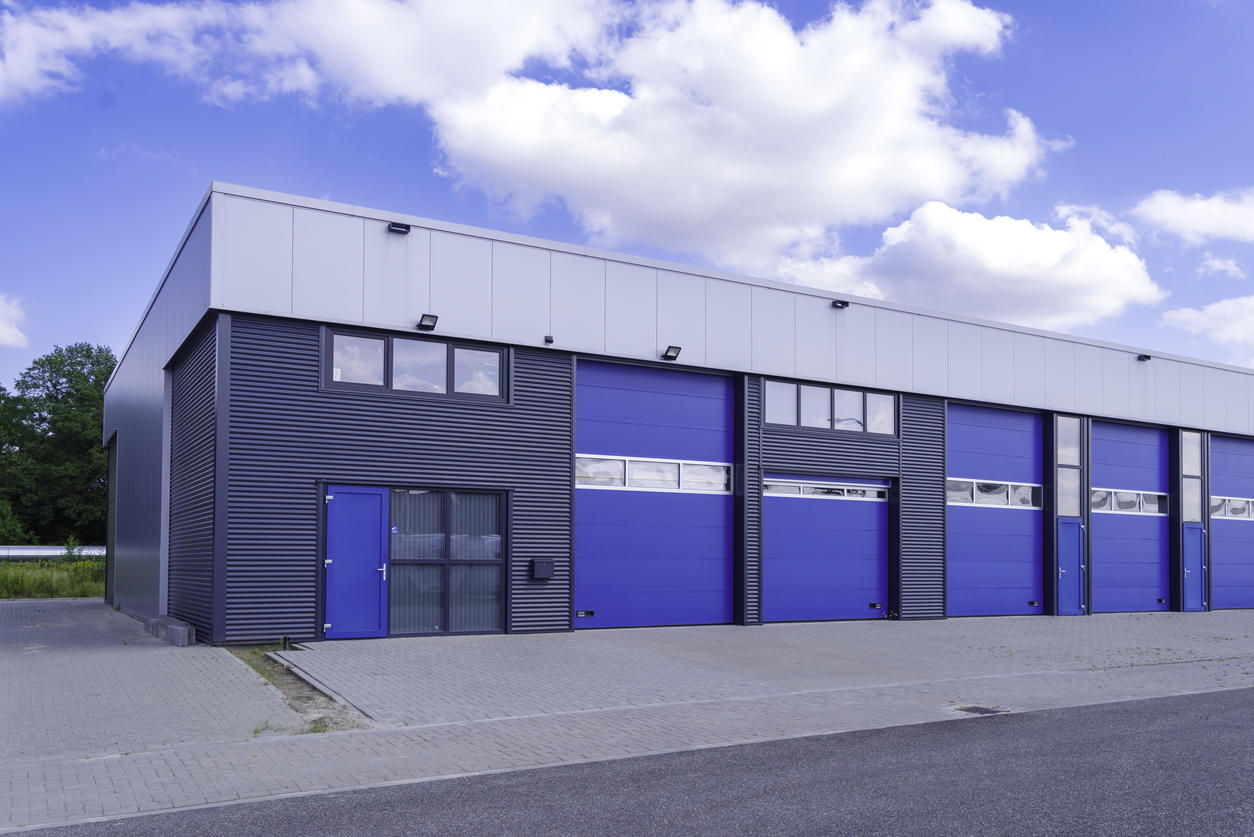
In short: Self storage combines property and operations. Income depends on occupancy, rental rate per square foot and ancillary sales such as insurance and packaging. Sites range from container yards with low capital costs to purpose-built indoor facilities. Buyers should look at occupancy trends, local competition, planning use and fire safety.
| Type | Pros | Considerations |
|---|---|---|
| Container site | Low build cost, quick to open | Planning, security, lower rates per sq ft |
| Converted warehouse | Good locations, larger capacity | Fit-out cost, fire strategy |
| Purpose-built facility | Highest rates, efficient layouts | Higher capital cost |
| Business plus freehold | Asset value and control | Higher price |
Due diligence checklist
- Occupancy and rate trends over three years
- Customer mix: domestic vs business
- Competition within a 15–20 minute drive
- Planning use (often B8 storage) and conditions
- Fire risk assessment, sprinklers and compartmentation
- Access, visibility and opening hours
- Management software and online booking data
How Fraser Bond helps
| 1 | Brief Strategy, budget and locations. |
| 2 | Source Facilities and sites suitable for storage, including warehouses for conversion. |
| 3 | Appraise Income, occupancy, competition and capex. |
| 4 | Acquire Negotiation and specialist adviser coordination. |
Interested in self storage?
Talk to us about facilities and conversion opportunities.
Speak to our teamRelated guides
Fraser Bond services: Investment · Commercial · Contact us